Egg

Also called eggs, anda, ande, mutta

Safe from6 months
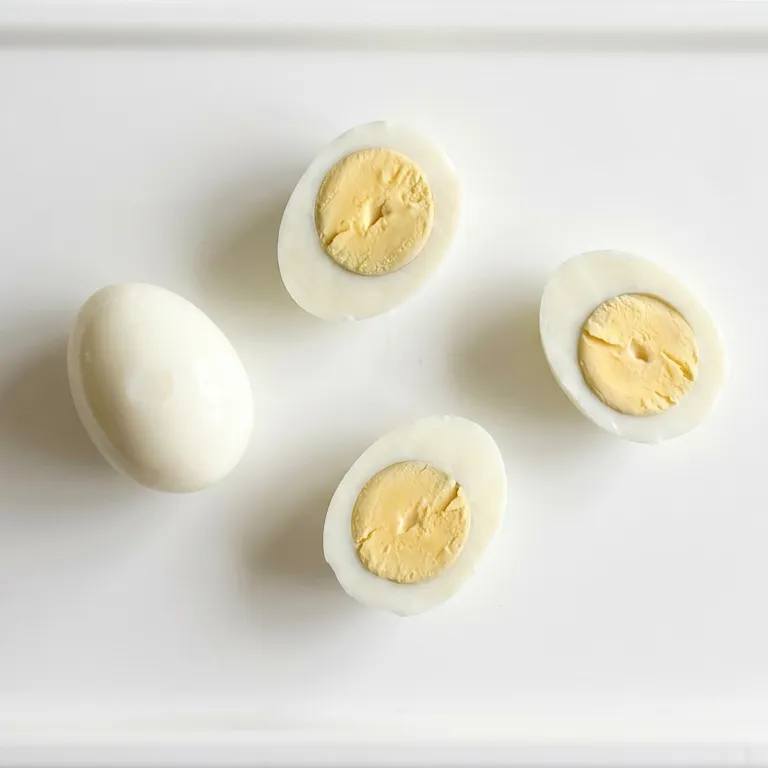
Choking riskLowMash a dry yolk smooth
Iron-richNo
Rich inHigh-protein · Healthy fats

How to serve, by her age

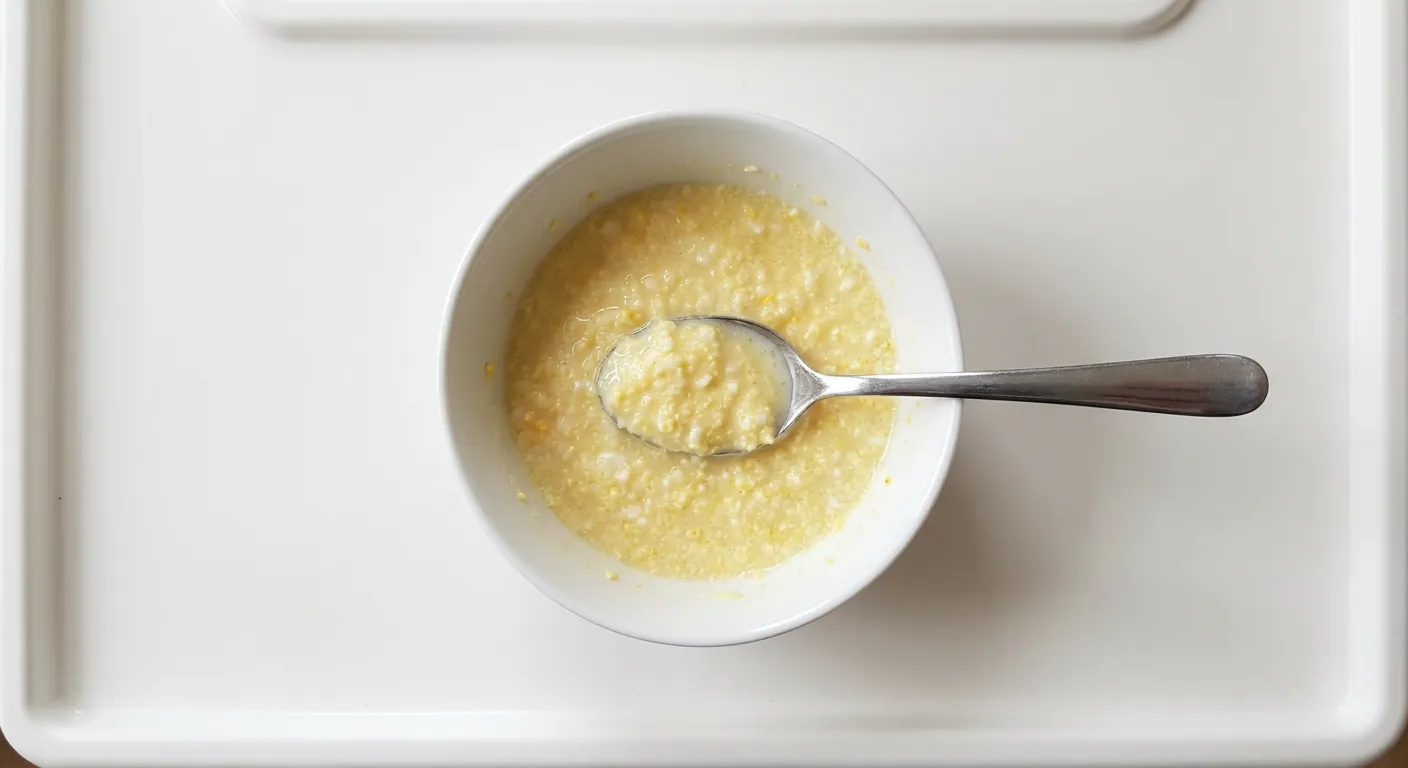
Egg at 6+ months: Smooth mash or soft scramble
Smooth mash or soft scramble

We give the egg on its own first, cooked all the way through so both the yolk and white are set firm. Mash a hard-boiled egg smooth and loosen it with a little breast milk, formula, or water until it is soft and easy to scoop. You can also cook it as a soft scramble, which keeps it moist.

Once she has had egg on its own and we have watched her for a few days, you can stir a little mashed or grated egg through a porridge, dal, or khichdi she already takes. Start with a small first taste and build up slowly, letting her appetite lead, and keep it plain, with no added salt while she is little and no added sugar before she is two.
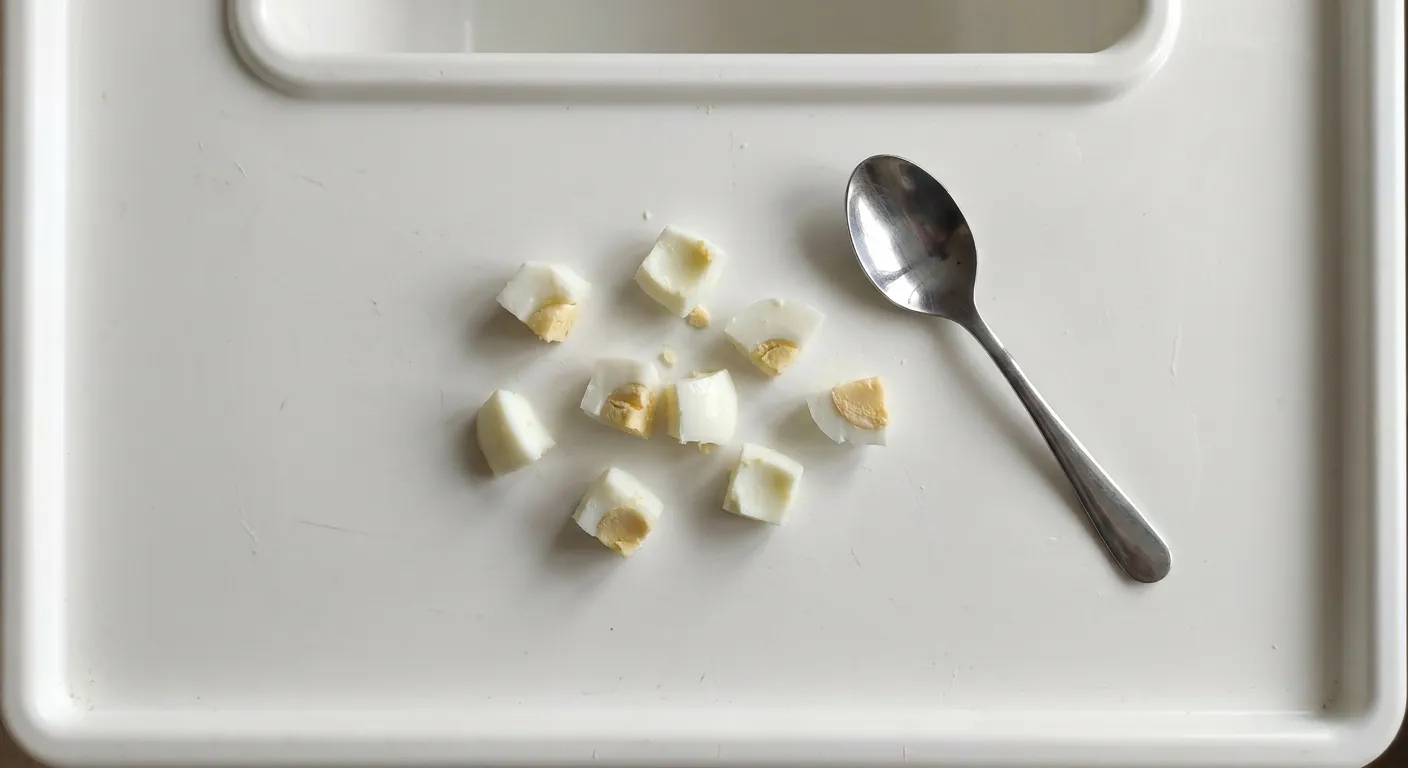
Egg at 9-12 months: Soft bite-sized pieces
Soft bite-sized pieces
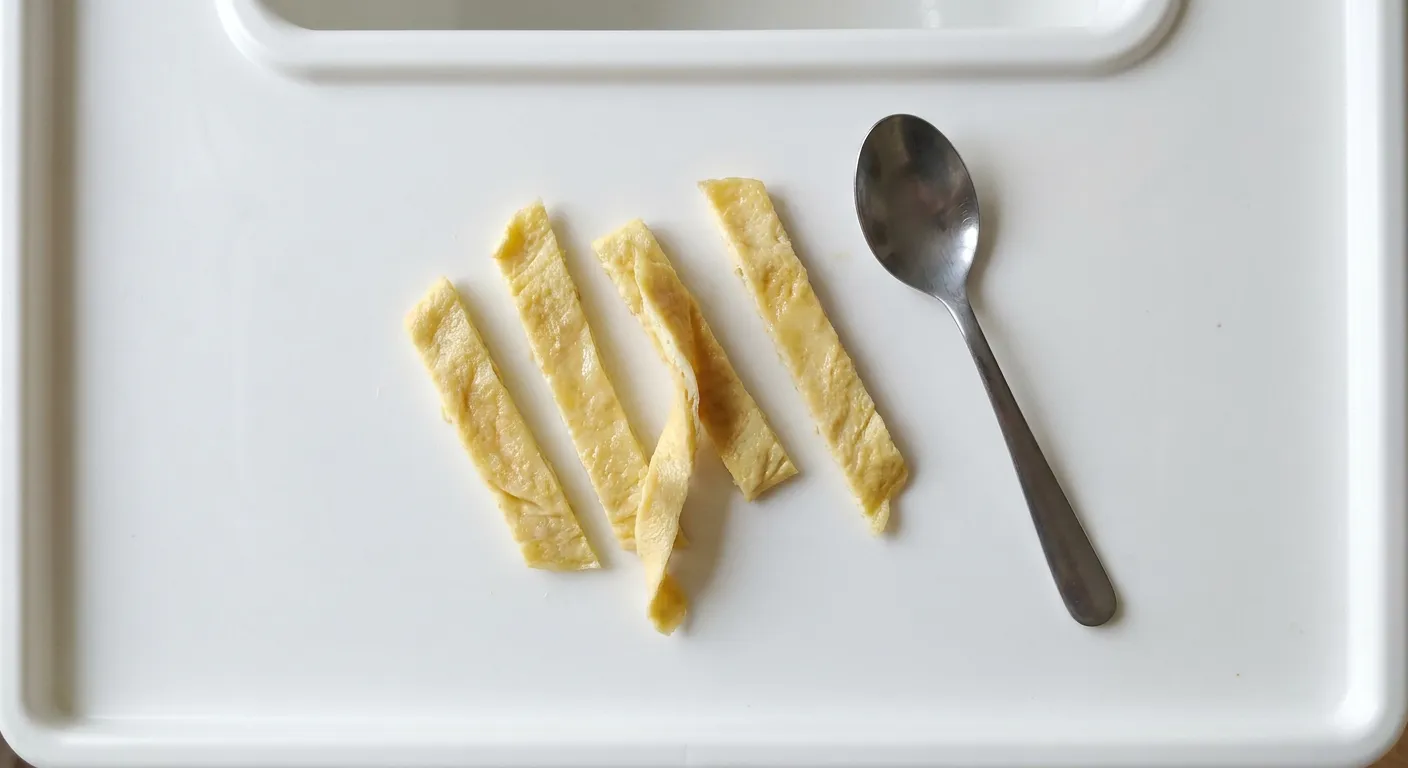
Egg at 9-12 months: Thin omelette strips
Thin omelette strips

Around nine months, egg can move from a mash to soft bite-sized pieces she picks up herself. Try finely chopped or grated boiled egg, small soft bits of scramble, or thin omelette strips cooked in a little ghee, everything still cooked all the way through. Lifting these little pieces is good practice for the finger-and-thumb pincer grasp she needs to feed herself.

A plain egg pudding suits this stage too, the whole egg steamed with a little milk until it is fully set and soft, with nothing sweet added. Keep the pieces small and soft, and let her manage them at her own pace, even when it gets messy.

Spoon, fingers, or both? ›
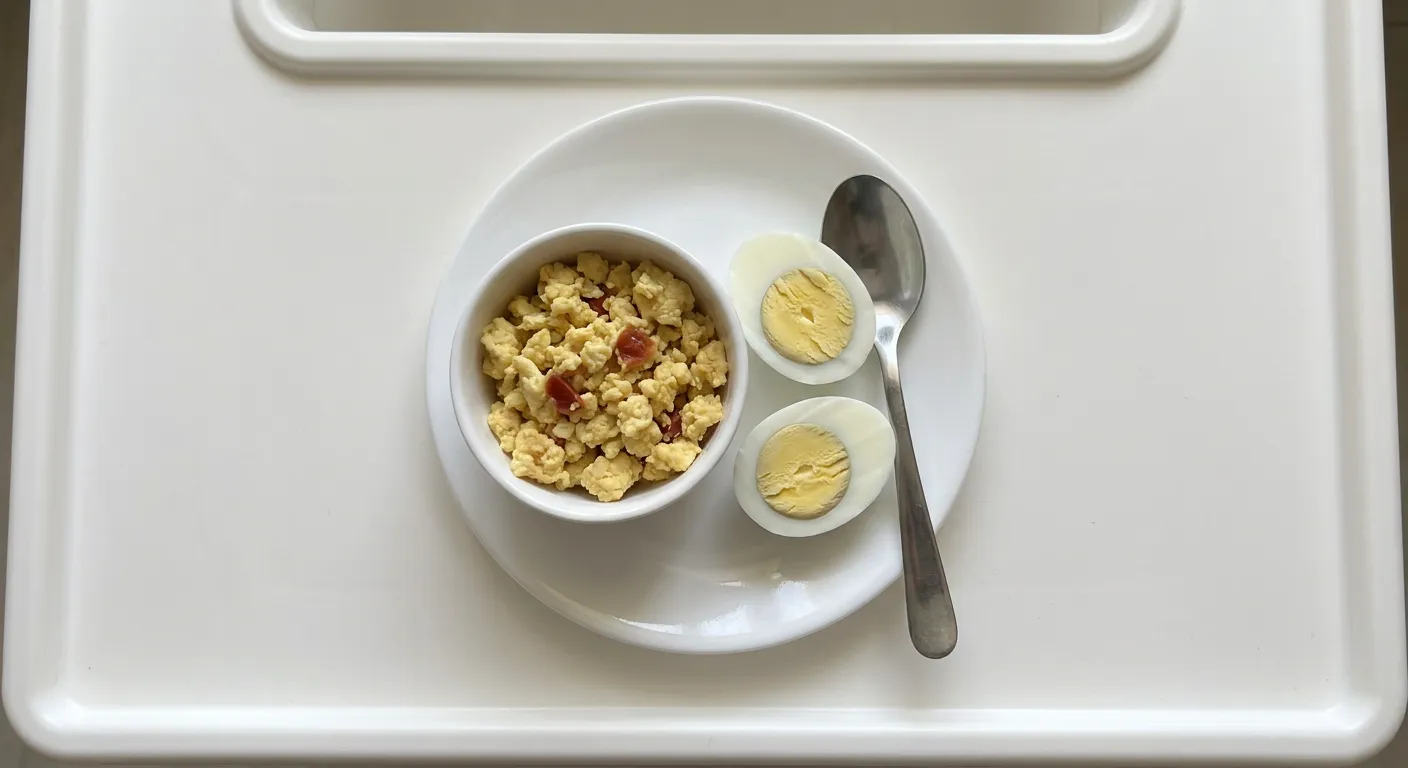
Egg at 12+ months: Family egg, chopped soft
Family egg, chopped soft

From a year, egg can join the family table in any form, still cooked through: a boiled egg, a mild anda bhurji, or egg stirred into khichdi or dalia, chopped or mashed a little if she needs it. Bite-sized pieces are good for fork practice.

Keep the seasoning gentle for now, and the salt low, as she moves toward family food.

Spoon, fingers, or both? ›

About egg

Egg gives a baby complete protein that her body absorbs easily, plus choline, which the WHO links to a growing brain. We can start it from six months, fully cooked and mashed smooth. That is when first foods begin, and it is also when the iron she was born with starts to run low, so an animal food like egg is a good one to reach for.

The doubts we clear

CHOKINGWill she choke on egg?
A hard-boiled yolk on its own can go dry and chalky, and a young baby finds that hard to move around her mouth and swallow. We can mash it smooth with a little water, breast milk, or formula until it is soft and scoopable, or serve the egg soft-scrambled instead so it stays moist and easy.Choking vs gagging ›
ALLERGENWhat does a reaction look like?
Egg is one of the more common foods babies can react to, so we give it on its own first, fully cooked, and watch over the next few days before adding anything else new. Most babies are completely fine, and going slowly just helps us spot a reaction like a rash or hives early.Starting egg, nuts and other allergens ›
MYTHThe whole egg, yolk and white together, is best from six months. You don't have to start with just the yolk and hold back the white.
The older advice was to give the yolk first, because the white was thought to be the part babies react to. We know more now. Keeping the white back does not make an allergy less likely, and may even make it more likely. It was a careful instinct, and the advice has simply caught up. We can still give the whole egg from six months, on its own and fully cooked, in the morning, and watch her over the next few days. The watching is the part that keeps her safe.

Questions moms ask

We started egg two days ago and there are little red dots near her mouth now. So fast?
Yes, a reaction can come this fast, so keep watching her. Take a clear photo, stop the egg, and let your paediatrician check her before the next try. Marks like these often turn out to be the food touching her skin, but let the paediatrician confirm it.Starting egg, nuts and other allergens ›
I was so scared of allergies that my nine-month-old still hasn't had egg. Too late now?
It is not too late at all, and that worry holds a lot of us back too. You can begin egg today the same gentle way as at six months: fully cooked and soft, on its own first, watched over the next few days. Start when she is calm, not too full on milk.Start here ›
She loved egg in pancakes and scrambled, but now refuses it every way. How do I keep trying?
A baby going off a food she once loved happens to many of us, and egg is a common one. Keep offering it without pressure, in small bits beside foods she already takes, and try a fresh form like a thin omelette strip. Some babies need eight or ten goes before a food lands again.When she refuses food ›
I keep hearing eggs are 'garam' and bad in summer or when she has a cold or cough. True?
It is a common belief, but a well-cooked food does not change a baby's body temperature, so egg is fine in any season. The IAP names egg among the foods wrongly thought of as 'hot' and says children need it for the nutrients it gives. Egg is even a good food while she is recovering from a tummy upset.
Everyone at home says egg is non-veg and shouldn't be a baby's food yet. Should it wait?
This comes up in many homes, and there is no rush either way. In a family that eats egg, the IAP is clear that animal foods like egg are special, nourishing foods for a baby, and there is no need to hold it back as a separate later category. If the kitchen at home is vegetarian, that is completely fine too, and dal and her other foods can do egg's job. It is your call, made calmly.
Should I try baby-led weaning with egg?
At six months, egg goes down best as a smooth mash from a spoon. By about nine months, once her pincer grasp has come in, she can feed herself finely chopped boiled egg, small soft bits of scramble, or thin omelette strips. Plenty of us do a bit of both, spooning some in and letting her pick up the rest.Spoon, fingers, or both? ›
How much egg, and how often? Is every day okay?
Let her appetite lead rather than any fixed amount. A small first taste that grows with her, reaching about half a boiled egg from around her first birthday, always cooked plain with no salt. Once you know she has no allergy, egg every day is perfectly fine, since it is nourishing and easy. Many of us simply rotate it through the week alongside dal and her other foods so her plate stays varied.How much she should eat ›
You may hear that egg should wait until eight months. Which is right?
You will see egg placed at different ages depending on where you read. The WHO, AAP and IAP all start egg at six months. The ICMR-NIN reads as the more cautious voice, but is actually mixed within its own pages: one line puts animal foods like egg from eight months, another says egg may be given from six months (its words, a soft-boiled one; this page keeps every egg fully cooked and firm-set), and its own six-to-eight-month baby menus include egg. Either timing is safe, so go by your own paediatrician's read. Whatever month you start her, keep to the same gentle way: a soft cooked mash in small amounts.

Still have a question?

I read every message myself and reply.

WhatsApp me

Know a mom who needs this?

Send it on WhatsApp

Every page is checked against ICMR-NIN, IAP and WHO guidance.

Sources: IAP, ICMR-NIN and 2 more sources ›

Educational only, and never a replacement for your paediatrician. Read the full note ›

What does a reaction look like?

Egg is one of the more common foods babies can react to, so we give it on its own first, fully cooked, and watch over the next few days before adding anything else new. Most babies are completely fine, and going slowly just helps us spot a reaction like a rash or hives early.Starting egg, nuts and other allergens ›