Spoon, fingers, or both?
She can have both, the spoon and her own hands. The guidance pairs them, it never makes you choose.
Checked againstIAPICMR-NINWHOAAP. See how we checkOnline it can look like a modern baby feeds herself everything. At home, a full spoon feels like the only way her tummy fills. Most families settle on a mix, and so does the guidance.
1What actually keeps her safe
Whether a piece is safe comes down to how it is cooked and cut, never who carries it to her mouth. Cooked soft and cut small, it is as safe in her fist as on your spoon. So safety is about the food, soft and small with no round coin shapes, and about staying with her while she eats.
2Will she get enough on her own?
It looks like less because so much lands on the floor. But in a study of responsive feeding that let children feed themselves, in little ones a little older than this window, they fed themselves more and refused food less, with no clear sign they ate less. Her hands joining in is not taking food from her.
3How the mix changes as she grows
One bowl can carry both. Whatever the mix, stay with her the whole time she eats and let her set the pace.
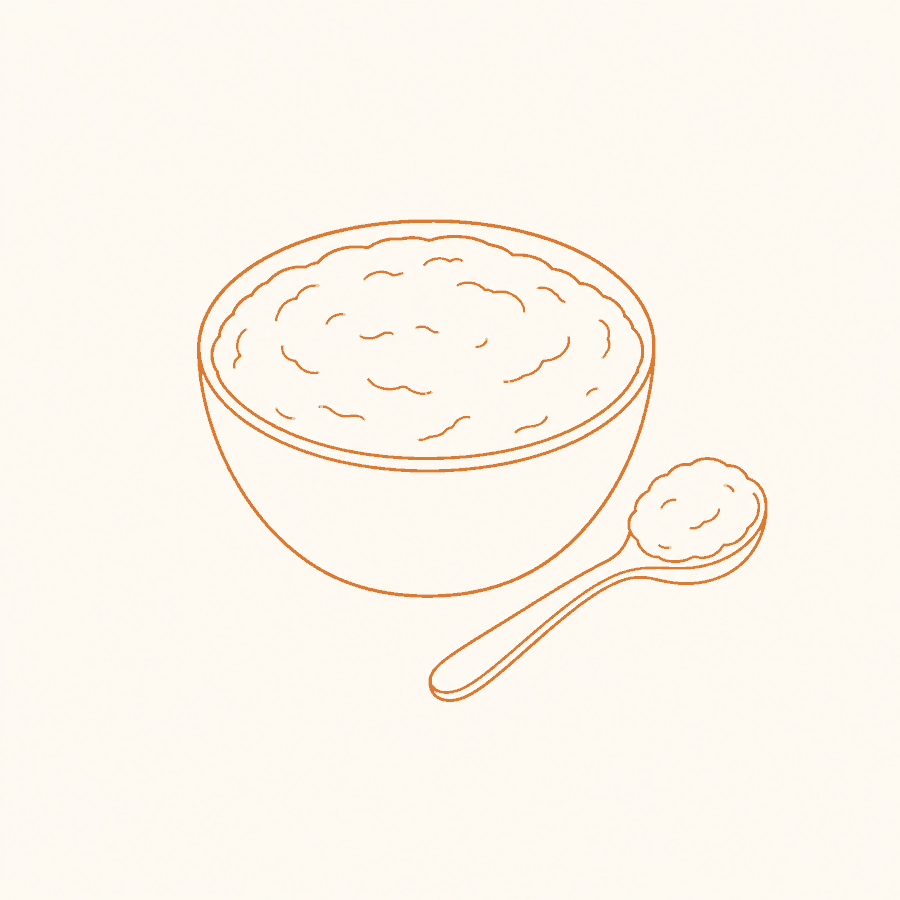
Give her thick mash, thick enough to stay on the spoon when tilted, growing thicker and coarser as the weeks pass. Offer the spoon and let her lean in. If she grabs it, load a spare for her to hold.
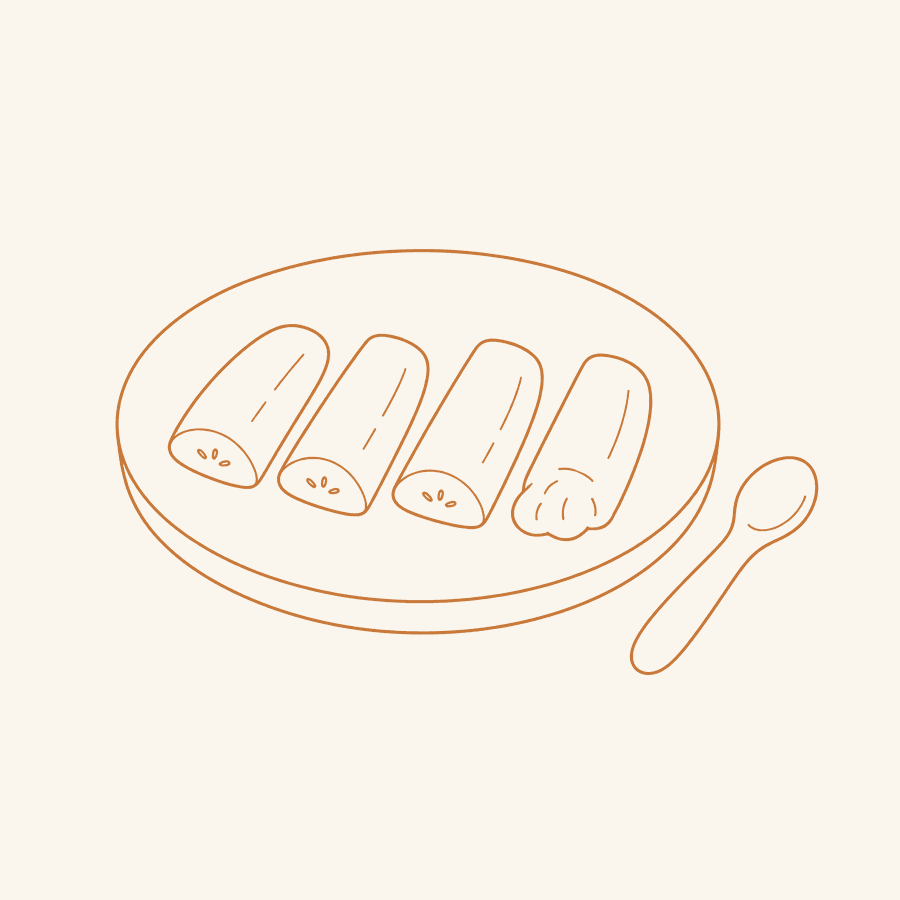
Most babies are ready around 9 to 10 months; some show the signs from 8. Beside the mash, offer soft pieces she can hold: banana in lengthwise spears about half an inch wide, thin omelette strips, soft clumps of khichdi.
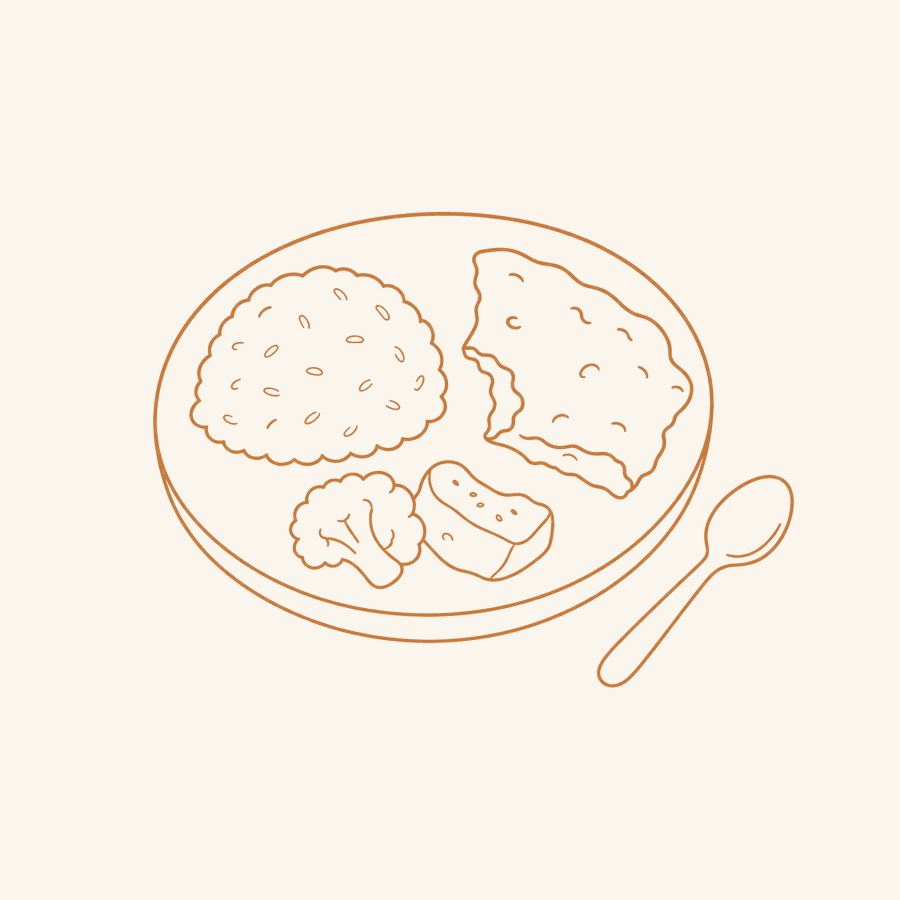
Family food now, chopped or mashed only where she needs it. She may pick up more herself, the spoon still there alongside. Managing a spoon comes well after her first birthday, so leading with her fingers is just right.
Never push the spoon past a closed mouth or a turned-away head. That is her way of telling you she is done. Try again gently at the next meal.
Born early, or her feeding feels truly stuck? Her own paediatrician sets her pace, whatever a chart says.
4Myths around spoon, fingers, or both?
Cook a piece soft enough that it squashes easily between your finger and thumb, quarter round things like grapes the long way, and stay with her the whole time she eats.
Food on her face, her hands and the floor is what self-feeding looks like, and the guidance expects it. Put something washable under her chair, and the spoon is there for whatever she still wants.
Where the spoon-only worry comes from: The elders who raised their babies when a full bowl was the whole job are not wrong to worry. The mix keeps everyone's real goal safe: a fed, growing baby.
5 Questions moms ask
Someone at home says she will stay hungry if I let her feed herself. What do I say?
She used to take the spoon happily and now grabs or refuses it. Did I do something wrong?
She gags on the new pieces. Should I go back to only purées?
Between the spoon and her fingers, how much should she actually be eating?
Know a mom who needs this?
Send it on WhatsAppWritten by Anu · a mom of one.
Sources: IAP, WHO, ICMR-NIN and AAP ›