Curd

Also called dahi, yogurt, thayir, perugu

Safe from6 months
Choking riskNone
Iron-richNo
Rich inCalcium

How to serve, by her age

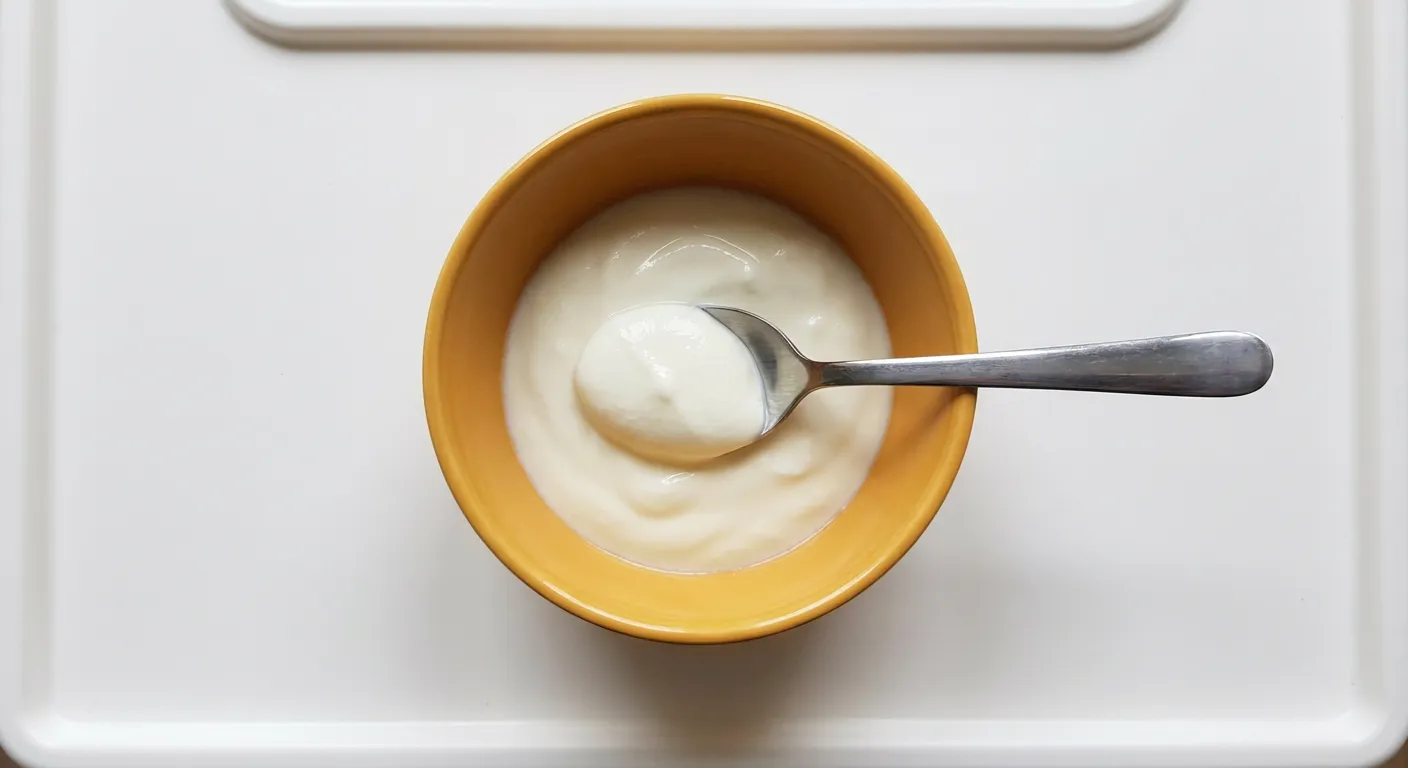
Curd at 6+ months: Plain thick curd
Plain thick curd
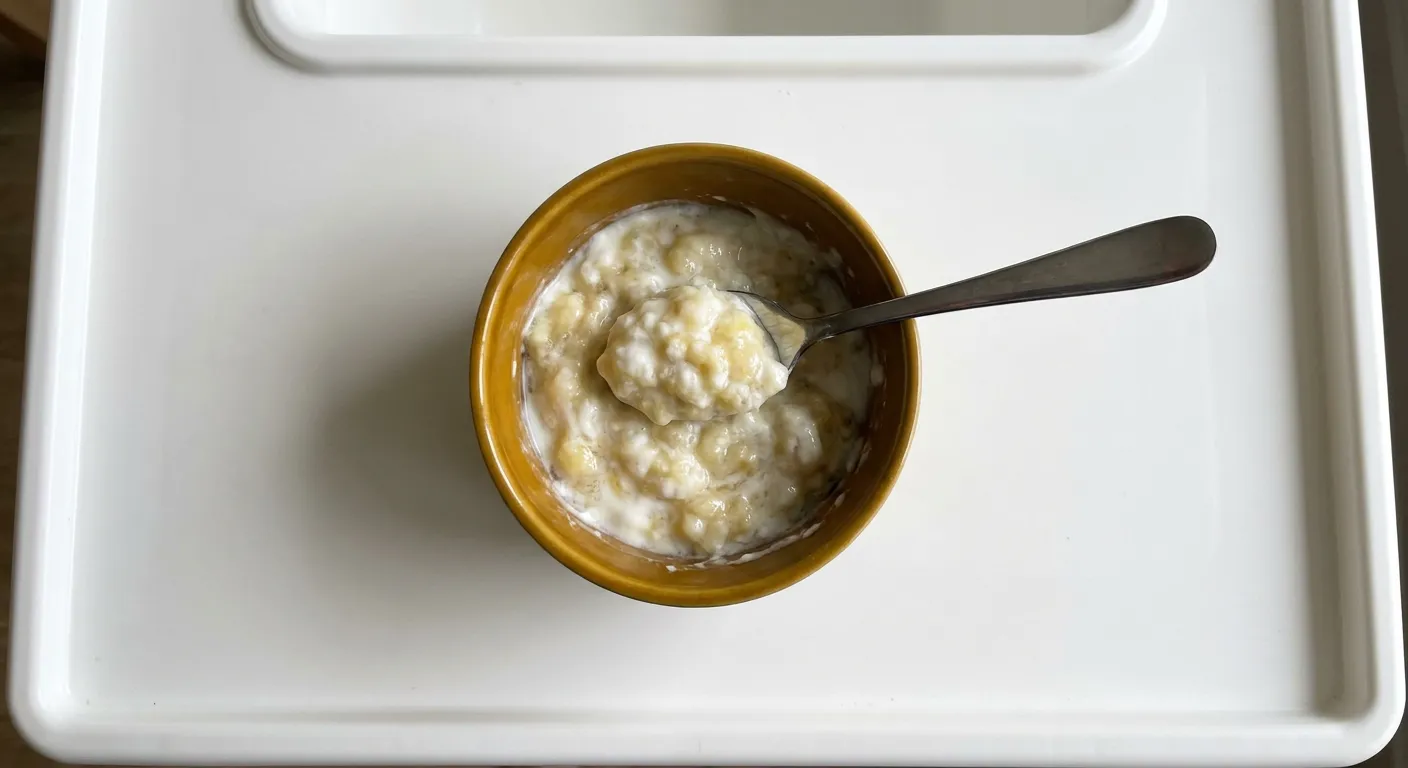
Curd at 6+ months: With mashed banana
With mashed banana

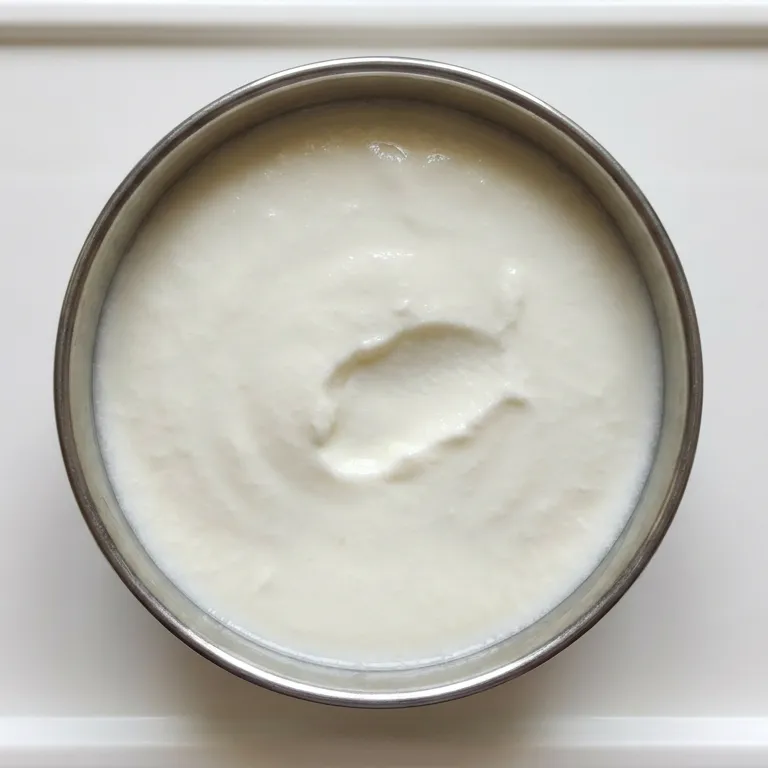
We can start her on plain full-fat curd on its own, smooth and thick on a spoon. Keep it thick and undiluted, not thinned with water, so it stays on a tilted spoon. Begin with a spoonful or two and build up slowly.

Once she has had it on its own, you can stir it into a food she already takes, like mashed banana, rice, or dal, for a little natural sweetness without sugar. Keep it plain, with no added salt while she is little and no added sugar before she is two.
Curd at 9-12 months: Thick, with soft pieces
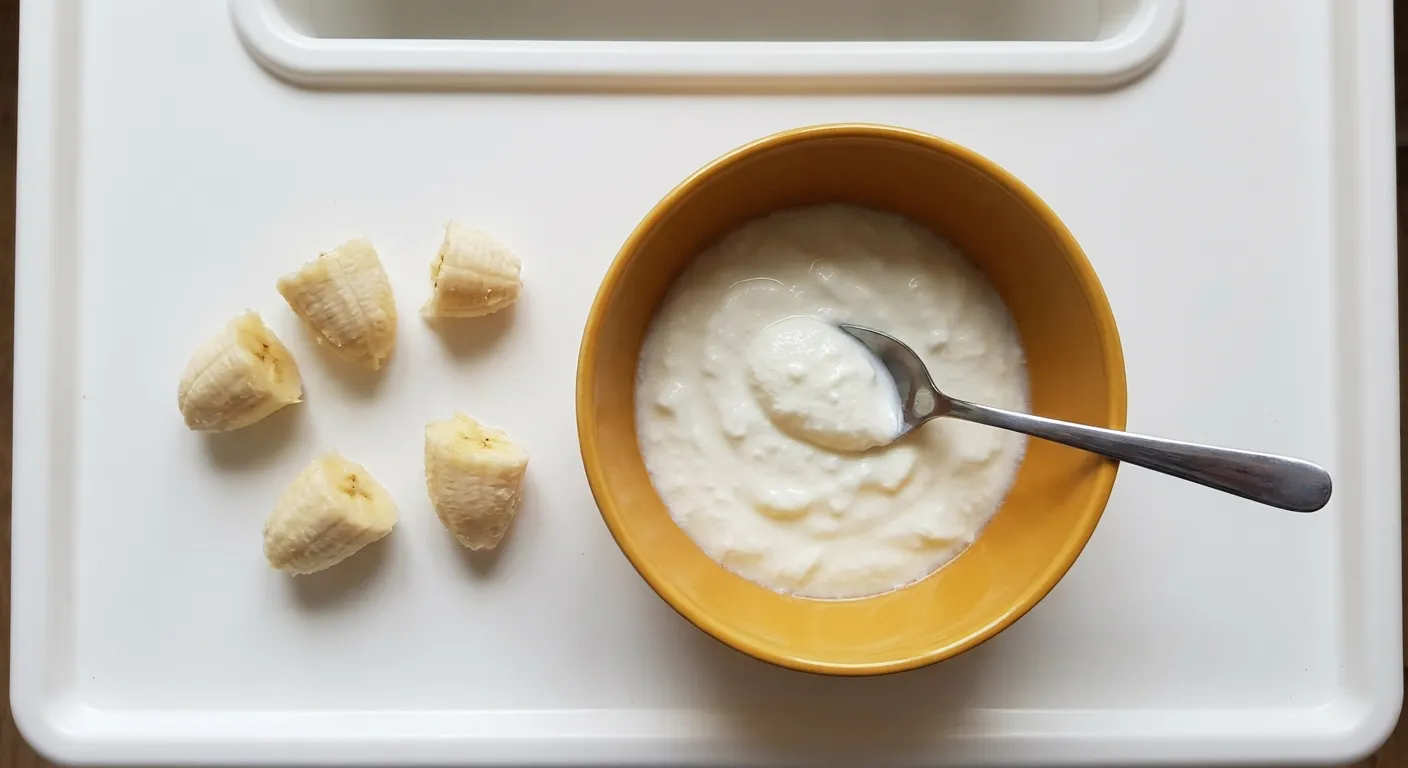
Thick, with soft pieces

Now she can take thicker curd, with soft fruit pieces, rice, or soft vegetables alongside that she can pick up herself. Curd itself stays a spoon food, but the soft pieces alongside give her something to practise with. Picking up those little bits helps her practise the pincer grasp she will use for self-feeding.

She can also scoop softer curd herself with a spoon now, and yes, it gets messy. This is also a good age to mix curd through her soft mashed rice, an easy first curd rice she takes from a spoon. Keep offering it plain, with no salt or sugar.

Spoon, fingers, or both? ›
Curd at 12+ months: Family-style plain dahi
Family-style plain dahi

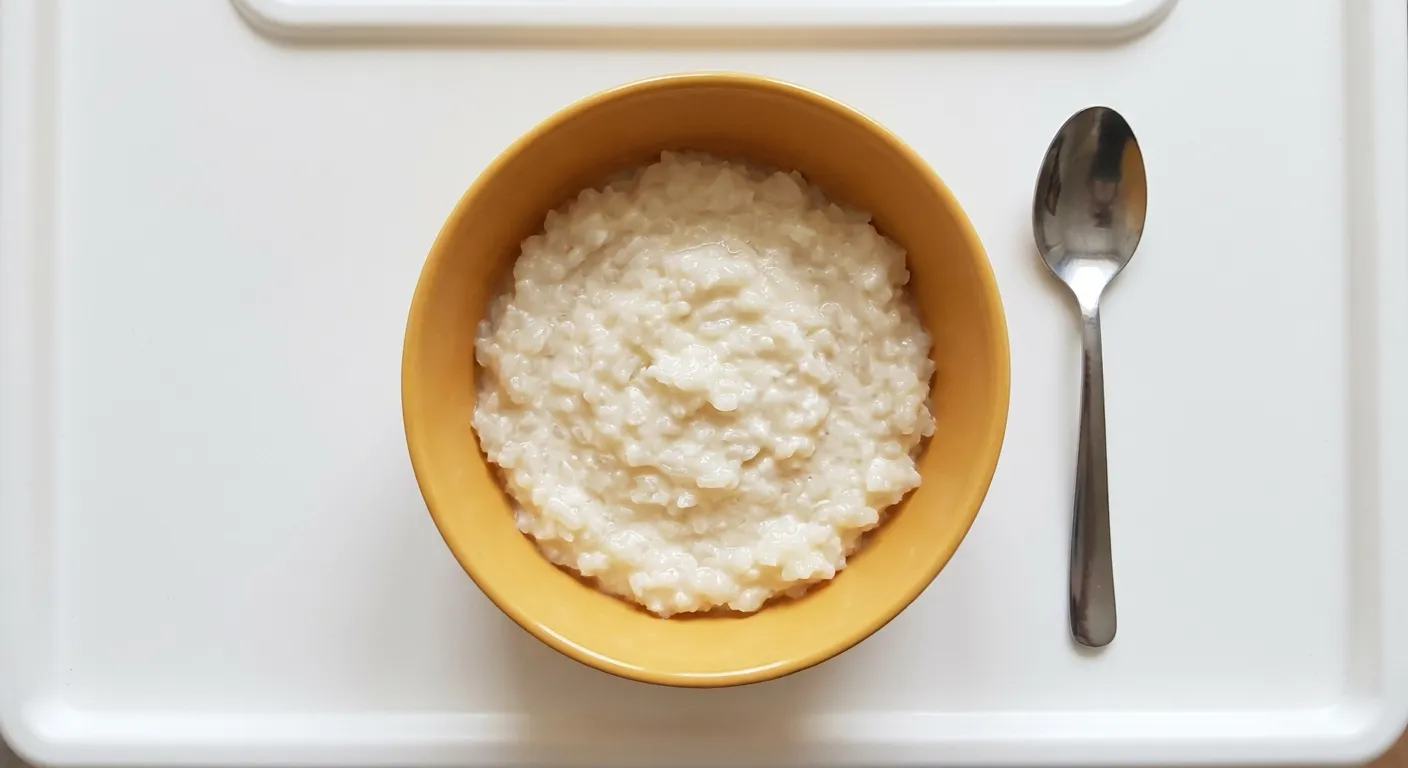
From around a year, curd joins the regular family meals as plain dahi, in her own bowl or stirred through rice and soft dishes. The curd rice she already knows carries on, now mixed through the same rice the family eats. Keep giving her the plain, unsweetened kind, without the salt or sugar that goes into a family raita or lassi.

How much she eats is up to her now, sitting alongside her other foods.

Spoon, fingers, or both? ›

About curd

Curd brings calcium for a baby's fast-growing bones and teeth, and the ICMR-NIN names it among its good calcium sources. She can have it from six months. There is no mashing to do, it is soft and spoonable as it is. Dairy as a food is fine this early, even though cow's milk as a drink waits until one.

The doubts we clear

ALLERGENWhat does a reaction look like?
Dairy is a common allergen, and the milk protein stays even after curd is set, so give it on its own the first time and watch over the next few days before adding another new food. Most babies take it completely fine, going slowly just helps you catch any reaction early.Starting egg, nuts and other allergens ›
MYTHCurd does not cause colds or coughs. It is a year-round food, not a 'cold' food you have to stop in winter or during a sniffle.
A cold is caused by a virus, not by a bowl of curd. The IAP puts the 'cold food' idea among the wrong beliefs and calls these foods important in a child's diet. You can keep offering curd all year, even when she already has a sniffle. If curd straight from the fridge feels too cold for her, that chill cannot give her a cold. To put everyone at home at ease, give it fresh and at room temperature, and earlier in the day if you like. There is no need to stop curd or to save it only for daytime.

Questions moms ask

My baby makes a face and spits out plain curd, and everyone at home says just add sugar.
The sour taste puts many babies off at first. Skip both: no added sugar before she is two, and no added salt while she is little. Mixing it into a food she already likes helps too. She comes around to the plain taste in her own time.When she refuses food ›
My 10-month-old has had loose motions for days. I'm only giving rice and curd and panicking.
Loose motions for days is frightening, and rice with curd is a comforting choice. Curd usually sits easier than plain milk during a tummy upset. But if your doctor has put her on a lactose-free feed, follow that instead. Either way, several days of loose motions needs your paediatrician to take a look.
Should I try baby-led weaning with curd?
Curd stays mostly a spoon food the whole way through. You can start it smooth on a spoon at six months. Once she is picking things up herself, around nine months, she can scoop thicker curd or take it as a dip with soft finger foods. The IAP places this same age as the move from mash to finger foods.Spoon, fingers, or both? ›
How much curd should I give, and how often?
Let her appetite lead with the amount, from a few spoonfuls to a small katori as she grows, and curd is gentle enough for every day. The one thing to watch is leaning too much on dairy. Milk and curd are low in iron, so keep dairy to a couple of small servings a day. That leaves room for iron-rich foods too.How much she should eat ›
Why is curd fine from six months when plain cow's milk as a drink has to wait until one?
Curd and other dairy foods are fine from six months as part of her meals. It is plain cow's milk as a main drink that waits until about one year. The wait is there because milk as a drink does not have enough iron, vitamin C, and other nutrients she needs. Bringing dairy in early as a food can even lower the chance of a dairy allergy later. So her curd is fine now, the big glass of milk is the one that waits.Cow's milk ›
Do I have to set dahi at home, or is plain unsweetened store-bought yogurt okay?
Either works, as long as it is plain and full-fat with nothing added. Most of us set dahi at home with well-boiled full-fat milk and a spoon of existing curd as the starter, and that is the everyday form for little ones. A plain unsweetened store-bought curd is a fine stand-in on a busy day. Just skip the sweetened or flavoured ones, and check the label says plain, with nothing extra added.Cow's milk ›

Still have a question?

I read every message myself and reply.

WhatsApp me

Know a mom who needs this?

Send it on WhatsApp

Every page is checked against ICMR-NIN, IAP and WHO guidance.

Sources: IAP, ICMR-NIN and 2 more sources ›

Educational only, and never a replacement for your paediatrician. Read the full note ›

What does a reaction look like?

Dairy is a common allergen, and the milk protein stays even after curd is set, so give it on its own the first time and watch over the next few days before adding another new food. Most babies take it completely fine, going slowly just helps you catch any reaction early.Starting egg, nuts and other allergens ›