Cheese

Also called cheez, cheddar, processed cheese, cheese slice

Safe from6 months
Choking riskLowLow, grate or melt it
Iron-richNo
Rich inHigh-protein

How to serve, by her age

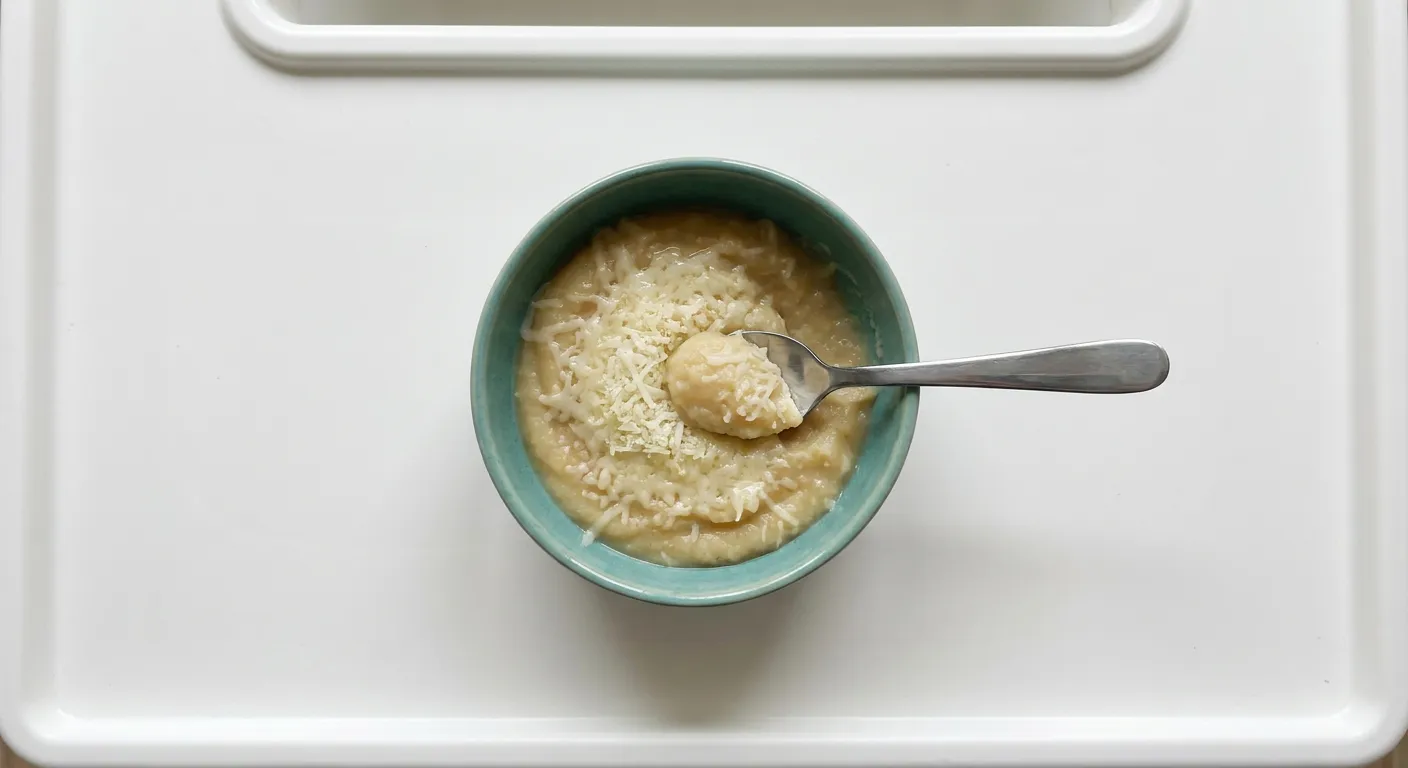
Cheese at 6+ months: Finely grated or melted
Finely grated or melted

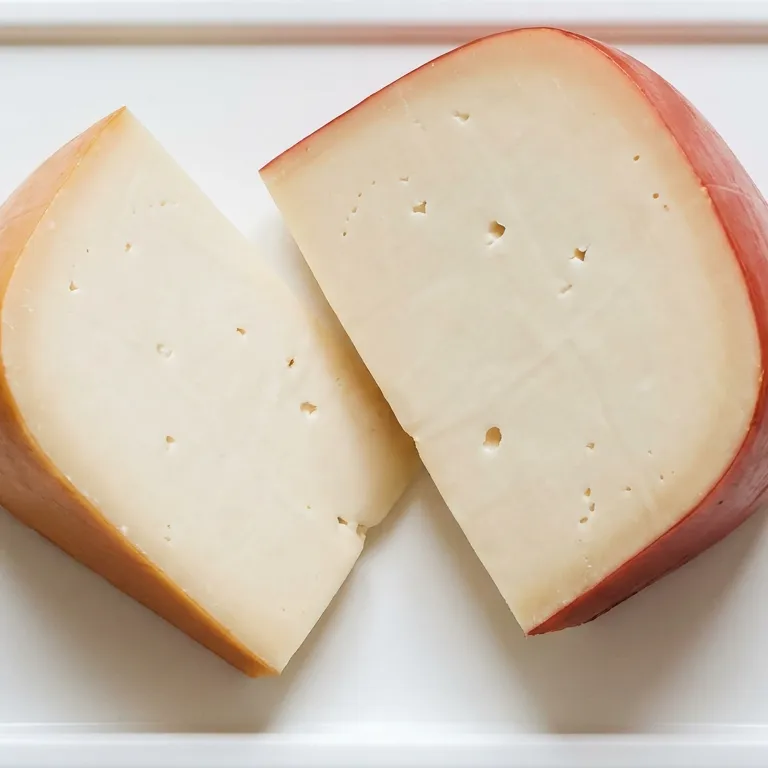
A mild soft cheese, finely grated or gently melted, is the way to begin at six months. Buy the kind whose label says cheese, plain and pasteurised, not processed cheese. Fresh mozzarella or cream cheese are the gentlest picks, and a little mild cheddar works too. You can stir a little of it through a warm food she already takes, so it softens right in. Keep the amount small, a pinch or two to start.

You don't need to add any salt. Firm cubes and thick slices are not for her yet, a soft melted texture keeps it easy for her mouth. Let her appetite lead with how much she wants.
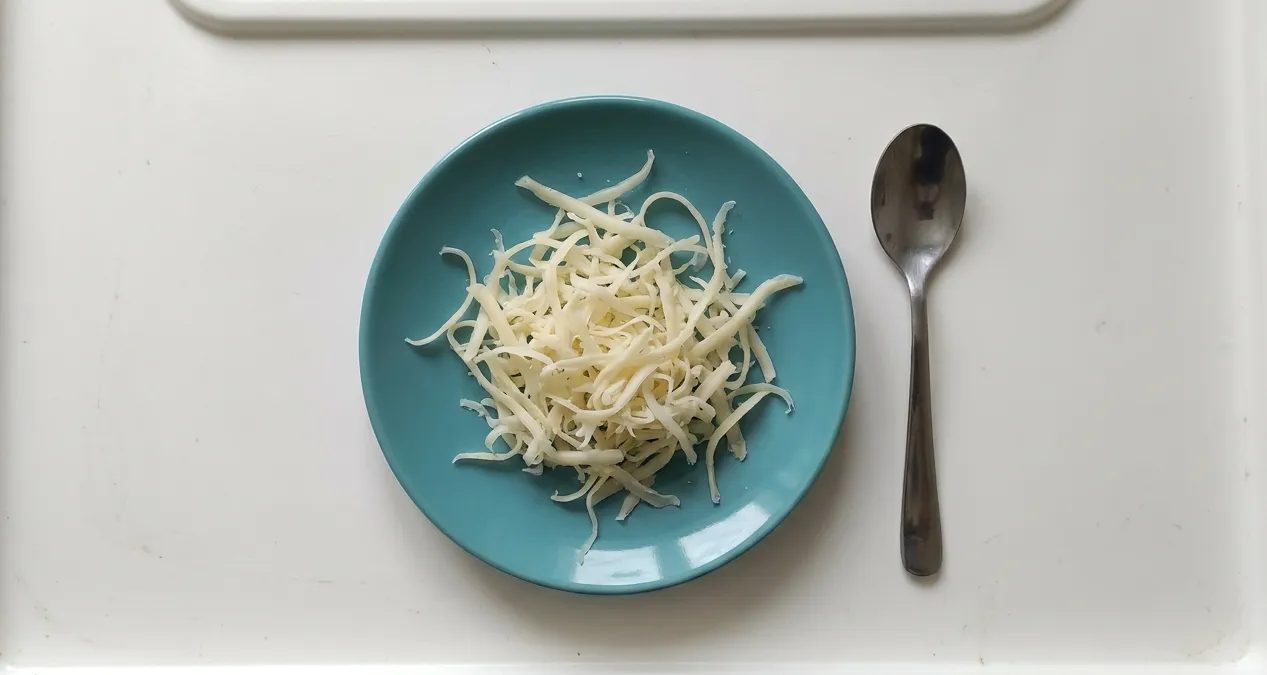
Cheese at 9-12 months: Soft shreds or small pieces
Soft shreds or small pieces

By nine months she can pick up soft shreds of cheese on her own, or short thin pieces from a flat slice. Melted thinly over a soft food still works well too. Picking up these little pieces helps build the pincer grasp she needs for feeding herself.

Keep the pieces soft and small, and stay with the plain kind rather than the salty slices. Cheese cubes are still best kept off her plate for now.

Spoon, fingers, or both? ›
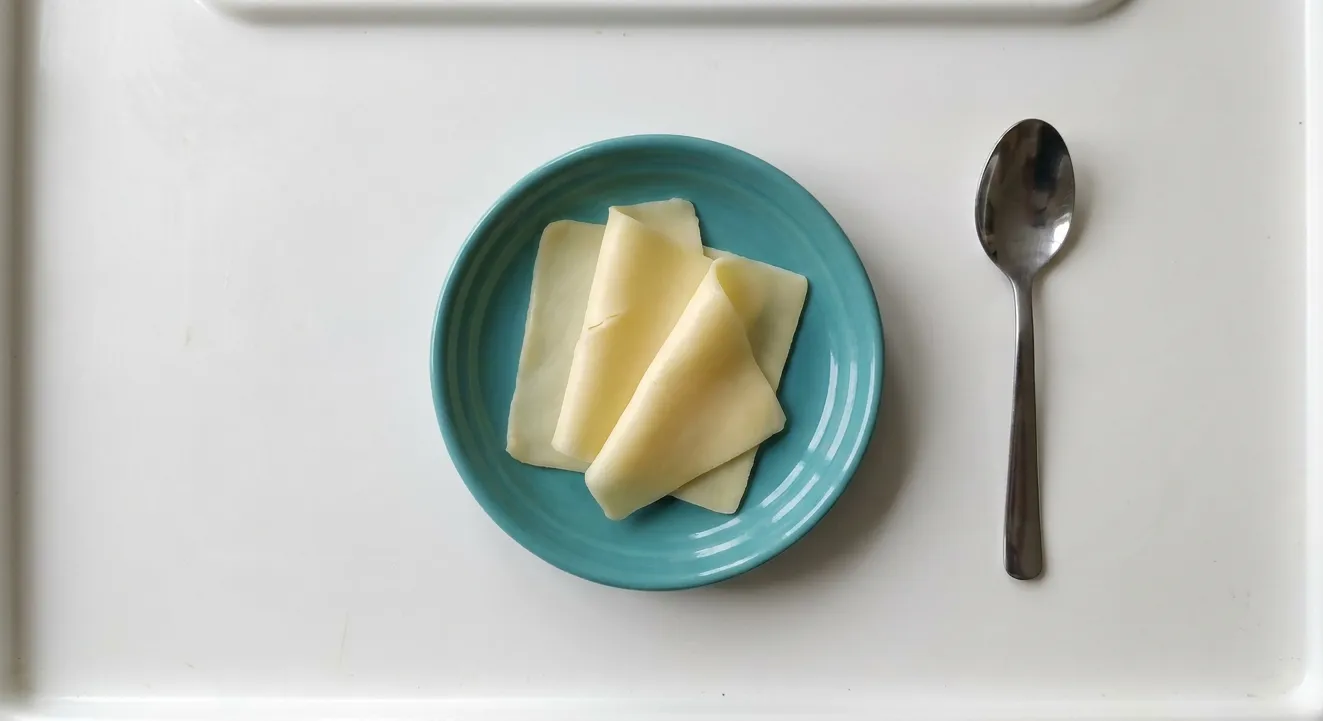
Cheese at 12+ months: Thin slices
Thin slices
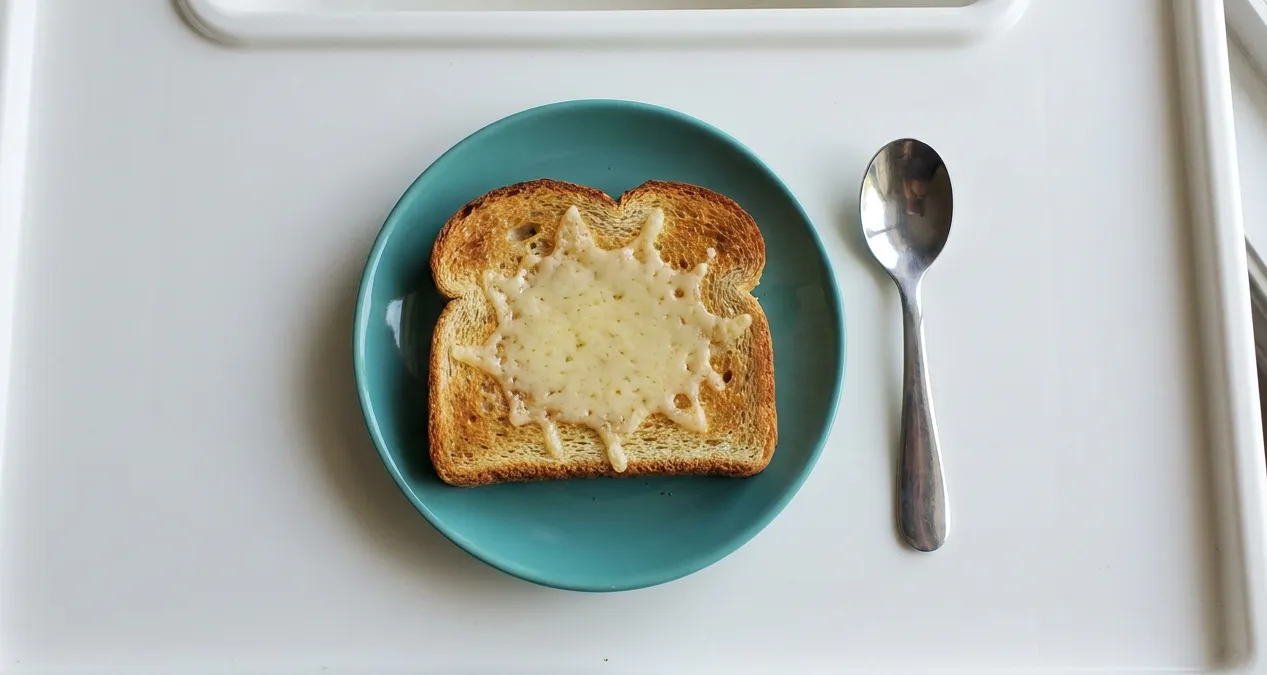
Cheese at 12+ months: Melted on toast
Melted on toast

From around a year, you can bring cheese into her family meals as thin slices, grated over a dish, or a thin layer melted onto her toast. She can manage more textures now, so long as the pieces stay soft and easy to chew.

Keep going with the plain, low-salt kinds rather than the packaged slices and spreads. Whole cubes and thick chunks are still best avoided at this age.

Spoon, fingers, or both? ›

About cheese

A mild soft cheese is one of the dairy foods we can give a baby from six months, now and then rather than every day. The WHO counts dairy among the core food groups a varied diet draws on, and cheese carries milk's protein in a soft form her young mouth can manage.

The doubts we clear

CHOKINGWill she choke on cheese?
Firm cubes, thick slices, and whole string cheese can be springy and stick together into a mass she cannot clear. Grate or shred it, or melt it thinly into her food, and keep cheese cubes off her plate until she is two.Choking vs gagging ›
ALLERGENWhat does a reaction look like?
Dairy is a common allergen, so give cheese on its own the first time and watch over the next few days before adding another new food. Most babies take it completely fine, going slowly just helps you spot any reaction early.Starting egg, nuts and other allergens ›

Questions moms ask

I want to start cheese at eight months, but the slices we get feel too salty for her.
The salt in packet slices is a real worry. Look for a plain cheese with nothing added on the label, in that same soft grated or melted form. The salty slices are best kept for later, when she is bigger.Cow's milk ›
My seven-month-old refuses every puree, so I've started offering little strips of cheese, but they feel too processed.
A sudden refusal like this is common in these early months, and it does pass. At seven months, cheese sits easier in a softer form than strips for now. Keep offering gently, without any pressure, and let her come back to it.When she refuses food ›
We gave our ten-month-old tiny cheese cubes to help him gain weight, and now he seems constipated.
Cheese on its own is not really a weight-gain food to give daily, and firm cubes are better swapped for a shredded or melted form anyway. If the constipation carries on, it is worth checking with your paediatrician.
I've heard cheese is too heavy for a baby and I should wait until she's one. Is that right?
A soft, mild cheese is fine to give her from six months, alongside her other meals. This worry is an old one that still goes around. Waiting until she is one does not make it safer, and holding back common allergens like dairy for that long is now seen as outdated advice.
Should I try baby-led weaning with cheese?
With cheese, most of us begin at six months with it finely grated or gently melted. She can pick up soft pieces and shreds on her own from around nine months, when her pincer grasp comes in. Around this stage the IAP moves a baby from mashed food to finger food.Spoon, fingers, or both? ›
Which kinds of cheese are best to start with, and are any best avoided?
Start with a plain pasteurised cheese whose label says cheese, not processed cheese. Fresh mozzarella, the soft kind sold in liquid, is the gentlest pick, naturally low in salt. The firm pizza-style block is saltier, closer to cheddar. Soft kinds like cream cheese or ricotta spread thin work well too. A mild cheddar is fine as well, grated or melted, though it carries more salt, so keep her amount small. The processed slices, cubes and spreads are the saltiest kind, best left for later.
Can I give cheese every day, or should it be more now and then?
Cheese is more of a now-and-then food than an everyday one. It carries protein, but it is also salty and rich, and the ICMR-NIN places cheese among the foods to keep light for little ones. A small taste now and then is plenty. Her steady, everyday foods are better built around dals, grains and vegetables and her milk feeds.Salt, sugar and honey ›

Still have a question?

I read every message myself and reply.

WhatsApp me

Know a mom who needs this?

Send it on WhatsApp

Every page is checked against ICMR-NIN, IAP and WHO guidance.

Sources: IAP, ICMR-NIN and 3 more sources ›

Educational only, and never a replacement for your paediatrician. Read the full note ›

What does a reaction look like?

Dairy is a common allergen, so give cheese on its own the first time and watch over the next few days before adding another new food. Most babies take it completely fine, going slowly just helps you spot any reaction early.Starting egg, nuts and other allergens ›