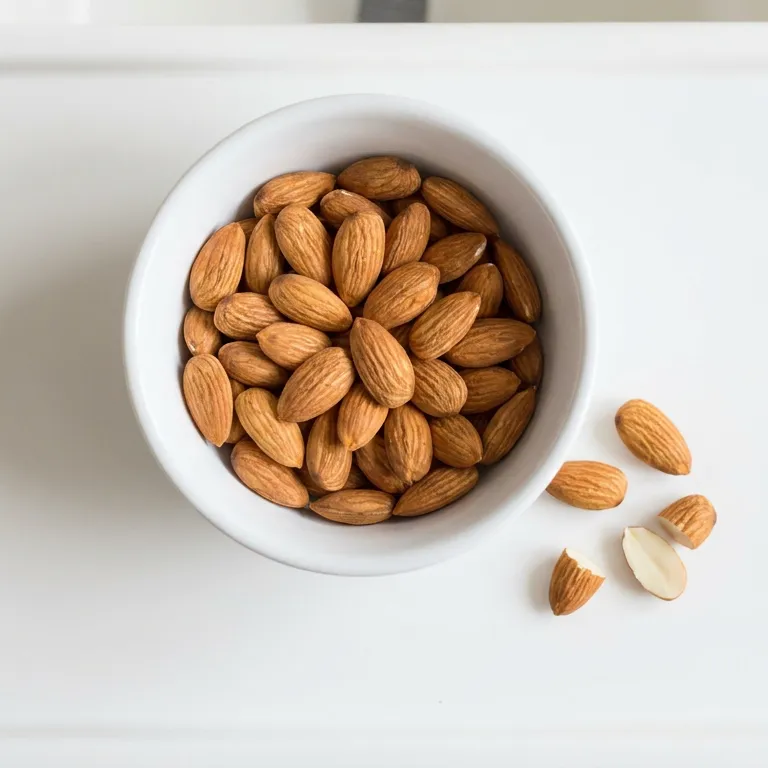
Almond

Also called badam, badamkayi, vadhumai, badam parippu

Safe from6 months
Iron-richNo
Rich inHealthy fats

How to serve, by her age

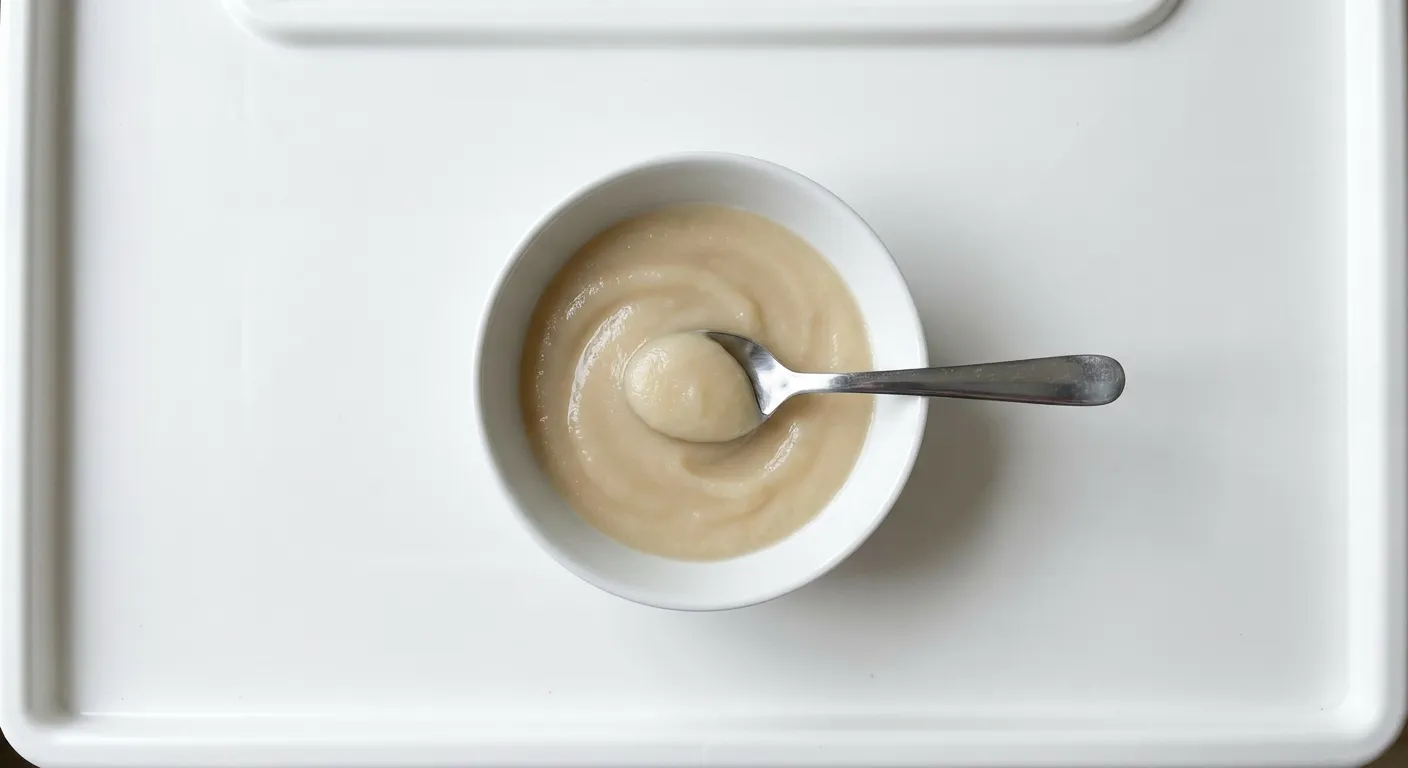
Almond at 6+ months: Finely ground or thinned
Finely ground or thinned

We start almond finely ground into a fine flour, or as a smooth paste, always well ground and never whole or in pieces. A little of the fine powder can be stirred right through a soft food she already takes, or you can loosen a smooth paste with a little water, breast milk, or formula until it is thin enough to swallow easily.

A jar of smooth, unsalted almond butter with no added sugar works the same way, thinned down first and stirred into a soft, scoopable food like porridge or curd, never given as a thick spoonful on its own.

Because almond is a common allergen, we bring it in as the one new food that day, keeping it thinned or mixed into a food she already takes, and watch her over the next few days before adding anything else new. A small pinch is where we begin, kept plain, with no added salt while she is little, no added sugar before she is two, and no honey before her first birthday, because botulism from honey can make a baby under one very ill. Let her appetite guide how much.
Almond at 9-12 months: Ground into foods she holds
Ground into foods she holds

Almond still goes in finely ground, never whole or chopped. Around now she is starting to feed herself, and her pincer grasp is coming in, so this is a good time to stir a little ground almond or smooth paste into the thick, scoopable foods she can manage on her own, like a soft porridge, some mashed banana, or a little curd.

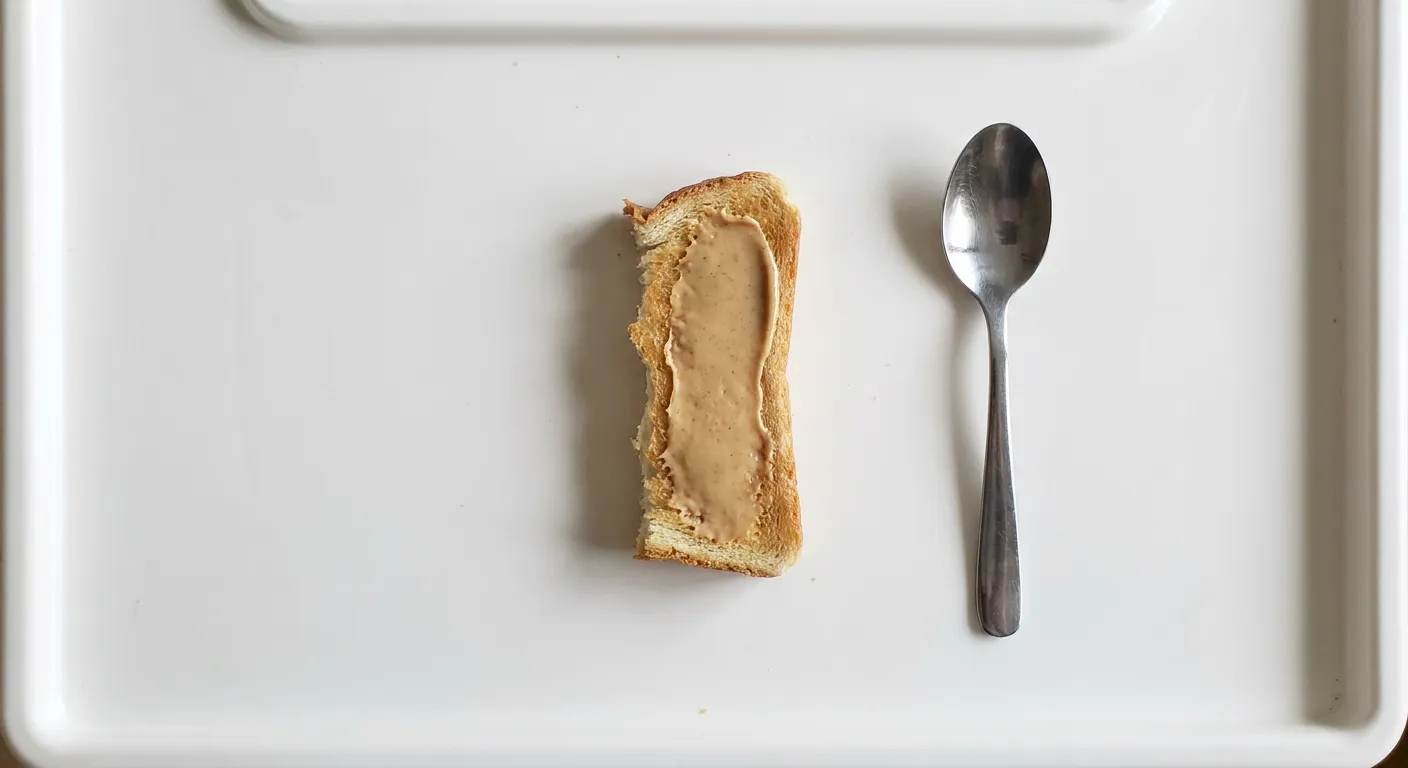
This is also the age for a strip of toast she can hold, with a little smooth almond butter spread thinly along it. The butter stays thin and on the toast, never a plain spoonful on its own, since a single scoop of nut butter can make her choke.

Spoon, fingers, or both? ›
Almond at 12+ months: Ground into family food
Ground into family food

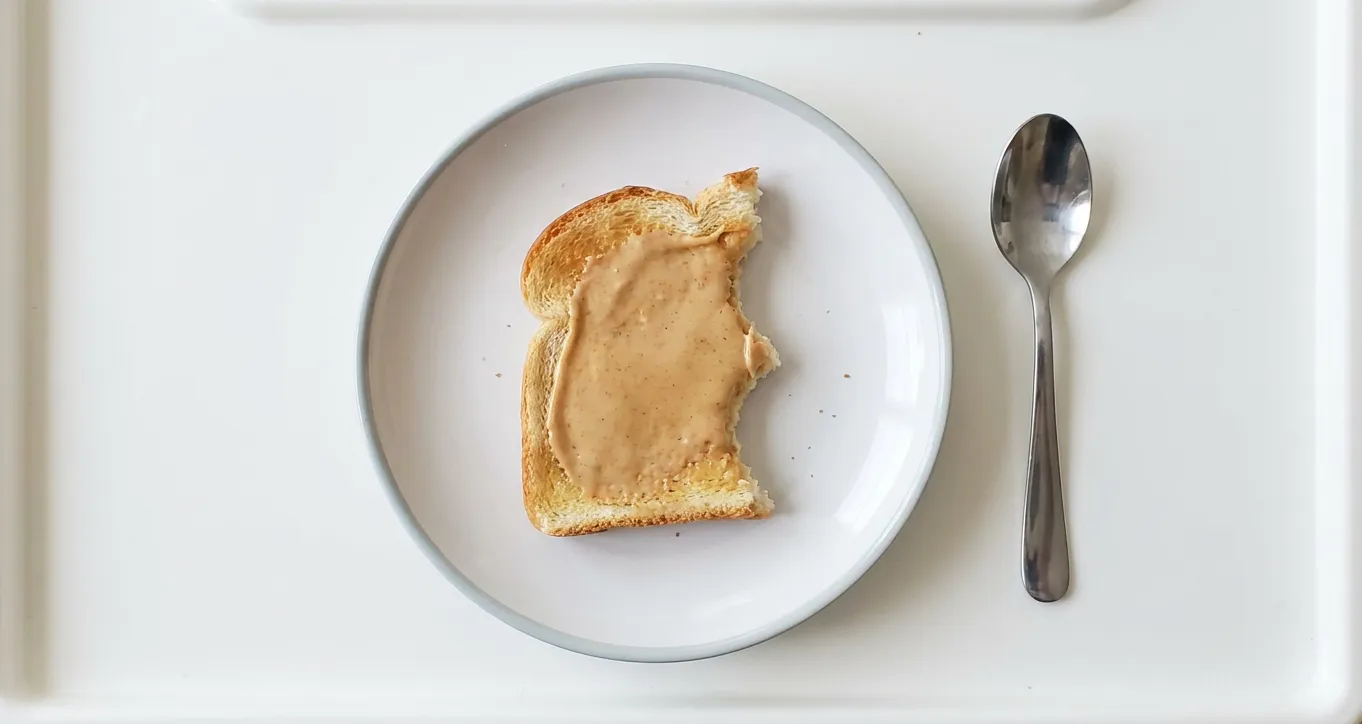
From a year, ground almond and smooth almond paste can go into whatever the rest of the family is eating. You can stir a little into her cereal or curd, dust it over a cooked dish, or spread some smooth paste or almond butter thinly on a soft piece of toast.

The form stays the same: almond stays ground or smooth, and whole and chopped almonds stay off her plate completely.

Spoon, fingers, or both? ›

About almond

We can give almond from six months, always finely ground to a smooth paste or powder, or as smooth almond butter thinned down. It brings in the nuts and oilseeds that ICMR-NIN counts among a baby's everyday nutrient-dense foods, so a little goes a long way. There is no benefit to waiting, and grinding it smooth is what makes a hard nut safe for her.

The doubts we clear

CHOKINGWill she choke on almond?
A whole or chopped almond is hard, round, and firm, and it can lodge in her windpipe, and a thick spoonful of plain almond butter on its own is a choking hazard too. So almond always goes in finely ground, or as a smooth butter thinned with water, breast milk, or formula and stirred into a soft food, with a few sips of water alongside. Keep whole and chopped almonds off her plate completely; a hard nut stays a choking risk until four and even beyond.Choking vs gagging ›
ALLERGENWhat does a reaction look like?
Almond is a tree nut, one of the more common foods a baby can react to. So we give it as her only new food that day, thinned or stirred into something she already takes, and watch her over the next few days before bringing in anything else new. Most babies are perfectly fine, and going slowly just helps you spot a reaction like a rash, swelling, or an upset tummy early. If she has bad eczema, has reacted to a food before, or you already suspect a nut allergy, have a word with your paediatrician before the first taste of almond.Starting egg, nuts and other allergens ›
MYTHThe go-slow way of starting a nut is for every baby, wherever she is from. Almond is not something to load up for quick weight gain.
You might hear that nut allergies are a Western worry that does not touch Indian babies, so badam can be given freely and early to help her put on weight. The gentle way of starting a nut is the same for every baby, wherever she is from. Almond is a good food for her in small amounts. It is not one to load up on for quick weight gain.

Questions moms ask

I stir home-ground badam into my 7-month-old's ragi malt and now she is badly constipated. Anyone else?
A baby's poop changes a lot in those first weeks on solids, and some straining or going red is normal as her tummy settles in. Keep the badam to a tiny pinch and offer her a little extra water. Give it a few days, and if things do not improve, check with your paediatrician.
Everyone at home wants me to rub badam on a stone and feed it daily. Is that needed?
Rubbing badam on a stone is an old family way, and elders hold to it fondly. What matters is that the almond is finely ground or a smooth paste. A small pinch is plenty.
We gave soaked peeled badam to my 8-month-old and he threw up at once. Too scared to retry.
At this age badam goes only finely ground or a thin smooth paste, never a whole almond, even soaked and peeled. A reaction usually shows within minutes to about two hours. Pause it and see your paediatrician before trying again. Trouble breathing, a swelling face or lips, spreading hives, or pale skin need emergency help now.Starting egg, nuts and other allergens ›
I keep hearing badam skin is 'heaty' and must be peeled. Is the skin actually harmful?
Skin on or skin off is fine either way. Peeling soaked badam is a common habit in a lot of Indian homes, and an easy one to keep. Many soak the almonds overnight and slip the skins off before grinding them down. What matters most is that the almond always goes in finely ground.
Should I try baby-led weaning with almond?
With almond it is a little different, because it always goes in finely ground, never as a piece she could pick up. So at six months it comes on a spoon, stirred into a soft food. From around nine months, once her pincer grasp is coming in, she can take it in the soft foods she feeds herself. Both ways are right.Spoon, fingers, or both? ›
How much badam, and how often?
A pinch of finely ground almond is plenty. Almond sits in the everyday nuts and oilseeds group that a varied diet leans on, so it belongs in her meals, just in small amounts. Offering it a couple of times a week keeps her comfortable with the nut, and her appetite can lead the rest.How much she should eat ›

Still have a question?

I read every message myself and reply.

WhatsApp me

Know a mom who needs this?

Send it on WhatsApp

Every page is checked against ICMR-NIN, IAP and WHO guidance.

Sources: IAP, ICMR-NIN and 3 more sources ›

Educational only, and never a replacement for your paediatrician. Read the full note ›

Will she choke on almond?

A whole or chopped almond is hard, round, and firm, and it can lodge in her windpipe, and a thick spoonful of plain almond butter on its own is a choking hazard too. So almond always goes in finely ground, or as a smooth butter thinned with water, breast milk, or formula and stirred into a soft food, with a few sips of water alongside. Keep whole and chopped almonds off her plate completely; a hard nut stays a choking risk until four and even beyond.Choking vs gagging ›

What does a reaction look like?

Almond is a tree nut, one of the more common foods a baby can react to. So we give it as her only new food that day, thinned or stirred into something she already takes, and watch her over the next few days before bringing in anything else new. Most babies are perfectly fine, and going slowly just helps you spot a reaction like a rash, swelling, or an upset tummy early. If she has bad eczema, has reacted to a food before, or you already suspect a nut allergy, have a word with your paediatrician before the first taste of almond.Starting egg, nuts and other allergens ›