Ragi

Also called finger millet, nachni, mandua, kelvaragu

Safe from6 months
Choking riskLowLow risk, keep it smooth
AllergenNot common
Iron-richNo
Rich inCalcium

How to serve, by her age

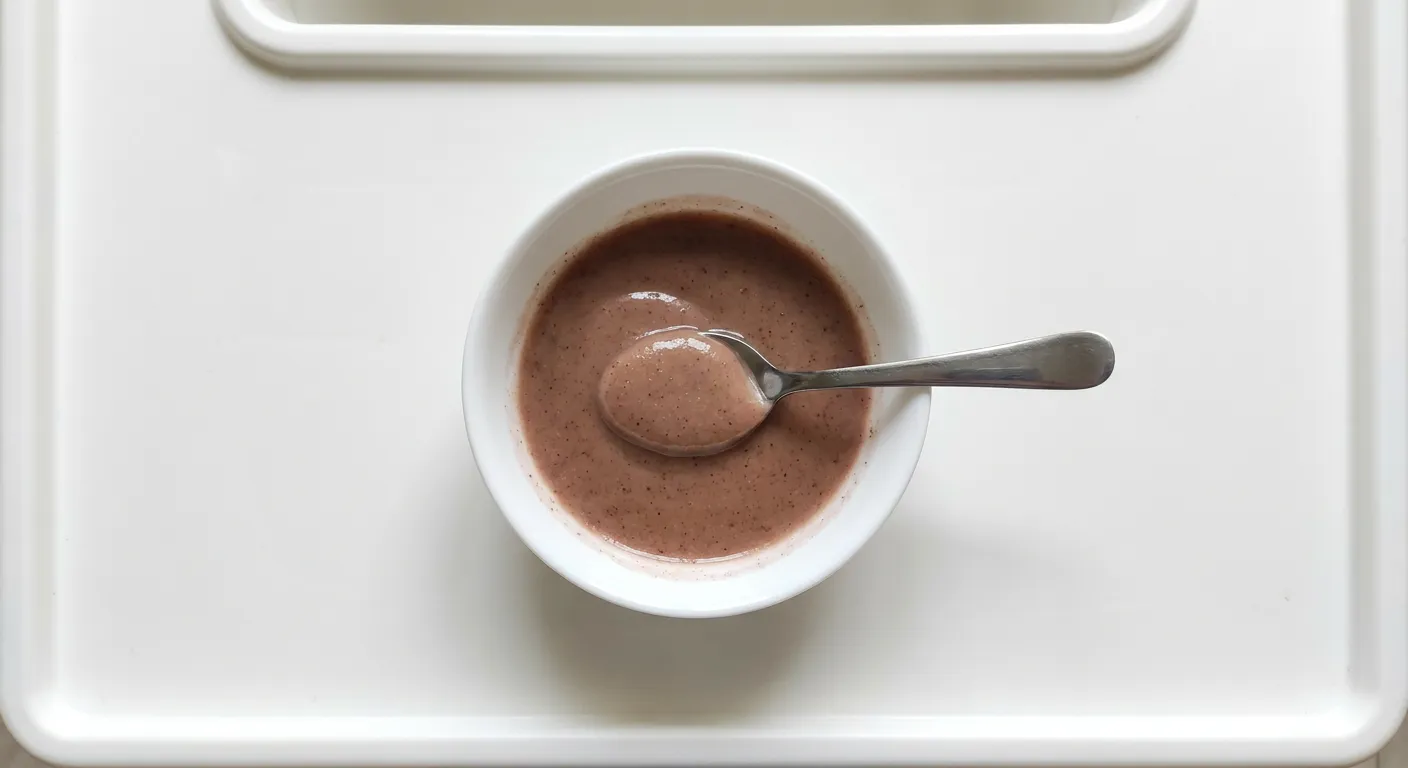
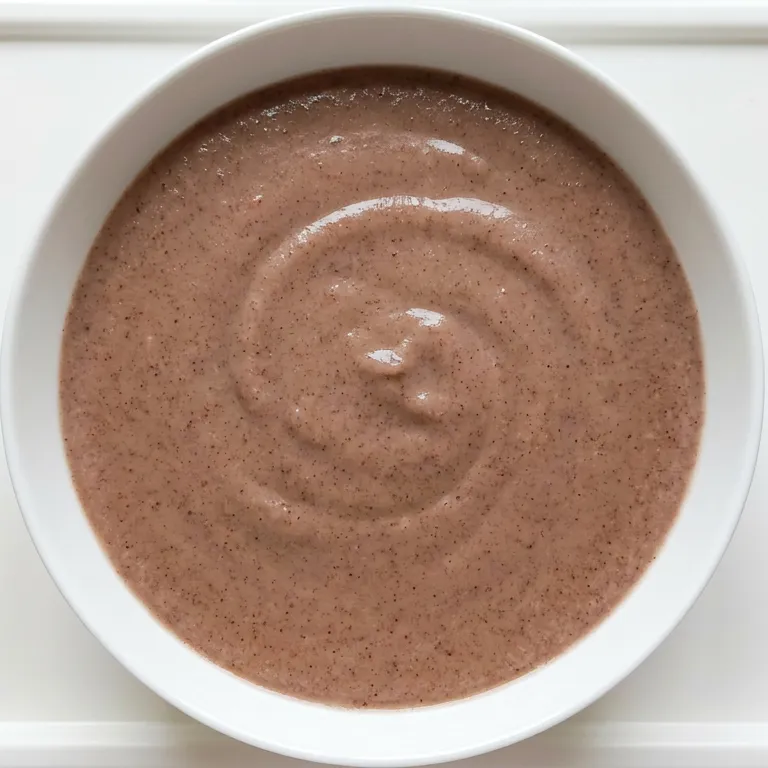
Ragi at 6+ months: Smooth ragi porridge
Smooth ragi porridge

Ragi comes to her first as a smooth, cooked porridge. Cook the flour right through in water so it turns out smooth and free of lumps, thick enough to stay on the spoon without running off when you tilt it. If a batch comes out too stiff, just loosen it with a little breast milk, formula or water until it is easy to spoon.

From around her eighth month, once she is having other tastes, a small pinch of cardamom or cinnamon can be stirred in as the porridge cooks.
Ragi at 9-12 months: Thicker ragi porridge
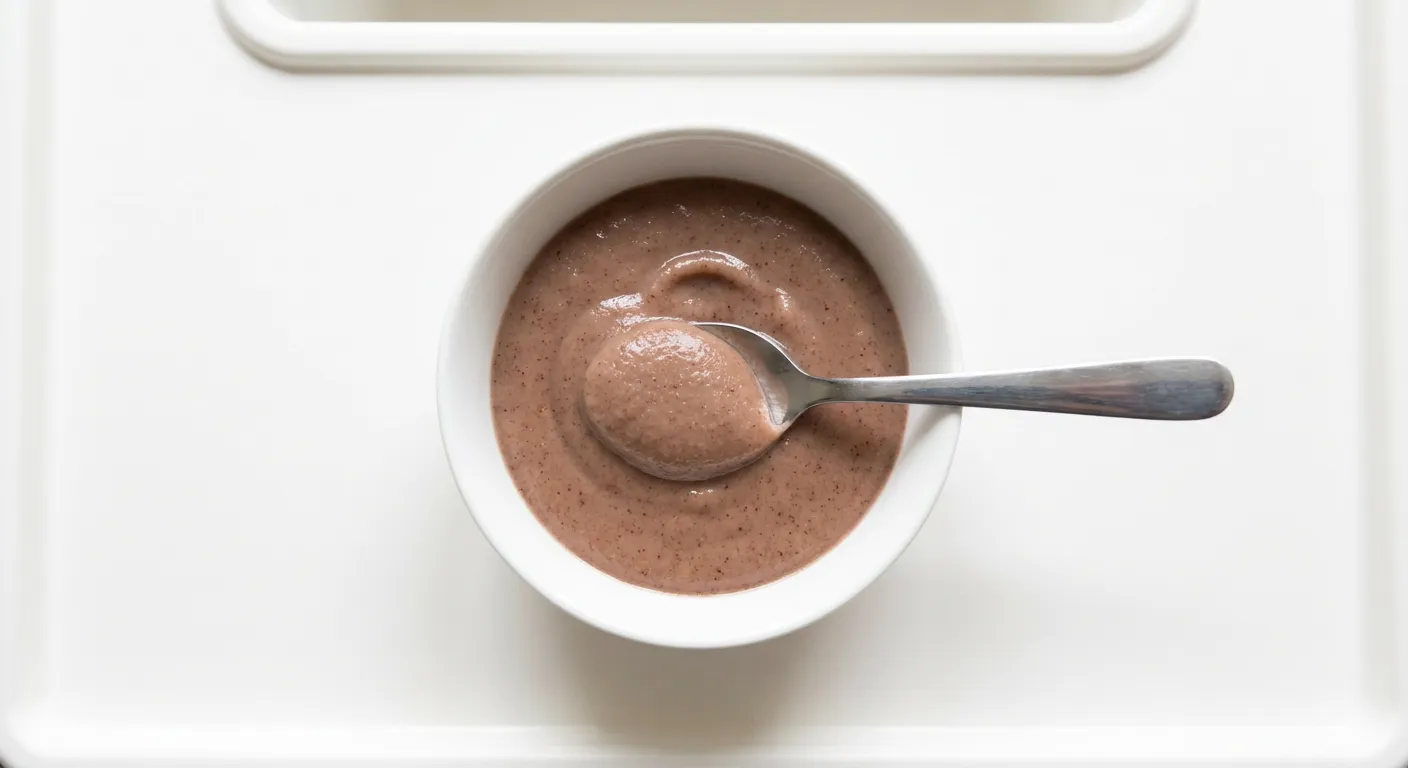
Thicker ragi porridge
Ragi at 9-12 months: Soft ragi cheela
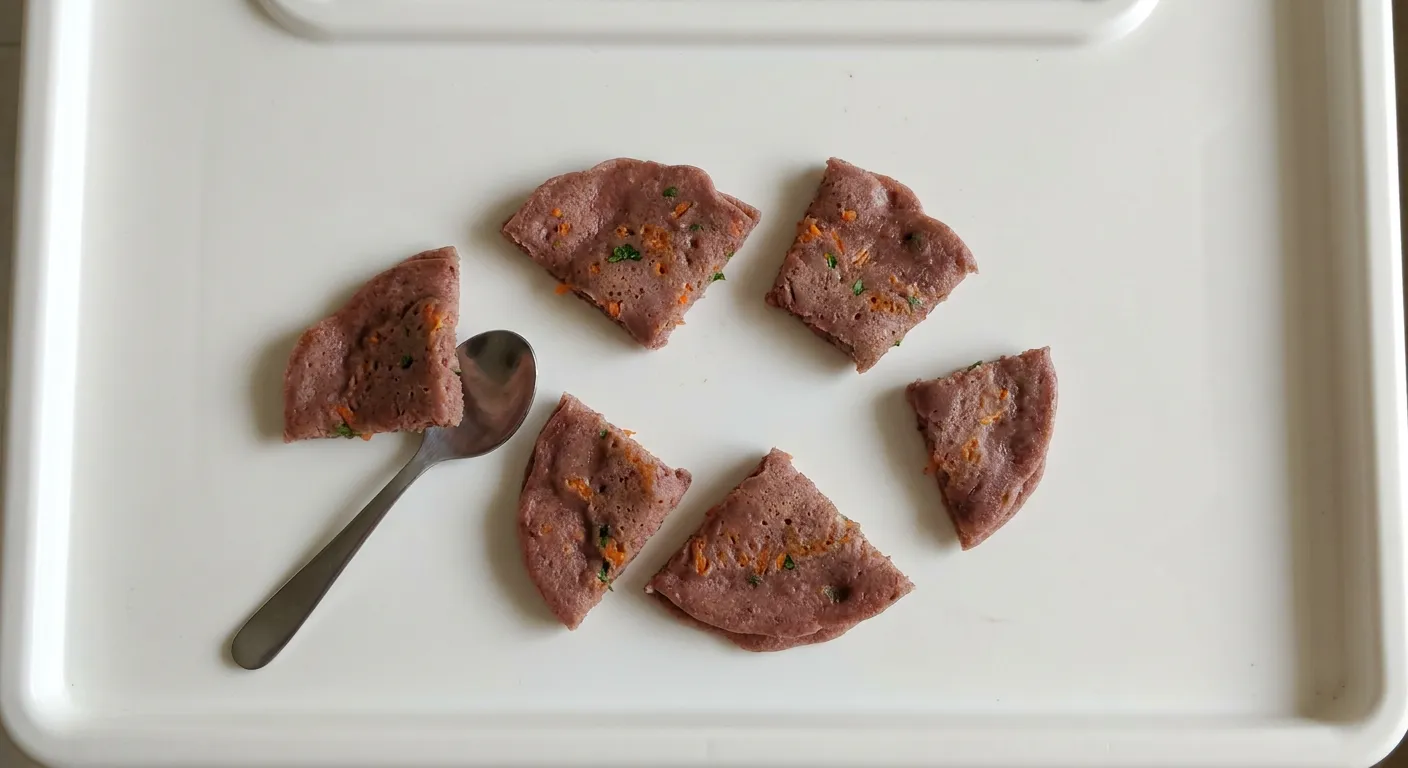
Soft ragi cheela

By now she can take the same ragi porridge, just grown thicker as she manages more.

Around this age, if your home already makes ragi dosa, she can begin to share a little of it. A soft, fluffy ragi idli works too, broken into small pieces for her. And a soft ragi cheela with finely grated vegetables cooked into it suits her from around ten months, cut into small pieces. Her share of any of these is made plain, with no added salt before she turns one.
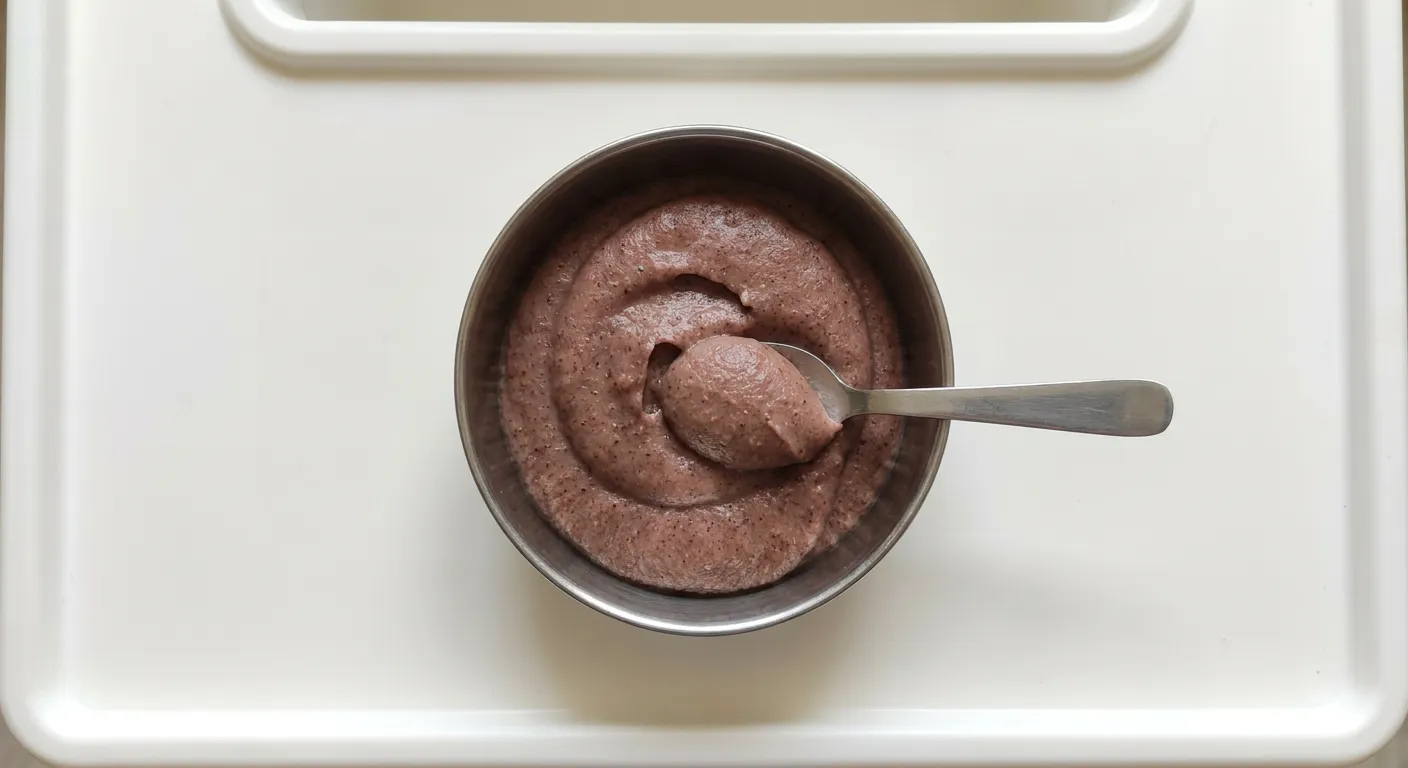
Ragi at 12+ months: Thick, halwa-style porridge
Thick, halwa-style porridge

By around a year, the same ragi porridge can be made thicker, close to a soft halwa, as she grows into more textured food.

Ragi is part of the family's everyday meals now, and she shares them: a soft ragi roti, a little ragi upma, the dosa or cheela she already knows from the family pan, or ragi stirred into her warm milk.

Keep it plain, with no jaggery or sugar of any kind before she turns two, even though the sweetened malt versions are common. Her own tastes are still settling, so the grain's mild flavour is enough on its own.

About ragi

Ragi, or finger millet, is one of the calcium-rich foods ICMR-NIN names alongside milk and sesame. That calcium is what her growing bones lean on. We can start her on it from six completed months, when complementary feeding begins alongside breastfeeding. It cooks into a soft, smooth porridge she can manage right from the start.

The doubts we clear

CHOKINGWill she choke on ragi?
A porridge left lumpy or cooked too stiff can be hard for her to swallow. Cook the flour right through into a smooth, lump-free porridge, and press out any lumps as it cooks. If a batch comes out stiff, loosen it with a little breast milk or formula so it slips down easily. Spoon-feed it rather than putting cereal in a bottle.Choking vs gagging ›
MYTHRagi is a gentle grain to start her on at six months, cooked soft and smooth. There is no need to keep it back out of fear that it sits too heavy for her or will make her constipated.
This is a common worry, and an understandable one. But there is no need to hold ragi back past six months. Cook it soft and smooth, start with small amounts, and let her settle into it in her own time. If plain ragi still seems to sit heavy on her, sprouted ragi flour is a gentler switch many homes make, since sprouting makes the grain easier to digest. Every baby is different, and if the tummy or stool trouble carries on, do mention it to her doctor.
MYTHRagi is a good calcium food for her growing bones. It is not an iron-rich food, whatever you may have heard.
ICMR-NIN places ragi among the calcium foods, so this is not where her iron comes from. Iron is best taken up from flesh foods like meat and fish, and greens and pulses such as dal carry some iron too. Keep offering those, and if the doctor has prescribed iron drops, keep giving them, never stopping them on ragi's account.

Questions moms ask

She turns her face away from plain ragi, and I keep wondering if a little jaggery would help.
That earthy taste puts a lot of babies off at first. There is no need for jaggery, and no sweeteners go in before she is two anyway, so keep offering small spoonfuls of plain ragi without pushing. It often takes eight or ten offers before a new taste feels ordinary.When she refuses food ›
Everyone at home swears ragi will fatten her up, but she still isn't gaining the way I hoped.
Ragi carries a big reputation for weight gain. It helps most as one part of a varied plate, with dal, vegetables and a little ghee stirred in for energy. If her weight still worries you, your paediatrician can check her growth.Her weight and growth ›
I keep freezing at the shop over which ragi flour or sprouted powder is actually safe to buy.
A plain ragi flour or a sprouted ragi powder both work well, so read the label and skip anything with sugar or salt already added. Homemade ragi flour is just as good if you have the time.
You may hear that ragi is 'heaty' and shouldn't be given in summer, is that something to worry about?
It is not something to worry about. You may have heard ragi called heaty, while others in the family call it cooling, so the belief runs both ways. You can give it the same in any season, warm in winter or at room temperature in summer if the family prefers.
How much ragi, and how often?
Start with a spoonful or two once or twice a day, and let her appetite lead from there. Ragi is an everyday grain, so it can sit in her meals like rice or dal. As she grows she will take more, up to a small katori a meal by the time she is one. There is no need to push a fixed amount.How much she should eat ›
Can I add a little salt, sugar, or jaggery to make ragi tastier?
Keep ragi plain for her at this age. She needs no added salt while she is small, and no jaggery or other sweetener before she is two. Her young tastes are still settling, so plain food lets her enjoy the grain's own mild flavour. Skip honey as well until she turns one, since it can carry botulism, a rare but serious illness in babies under a year. Plain really is plenty for now.Salt, sugar and honey ›

Still have a question?

I read every message myself and reply.

WhatsApp me

Know a mom who needs this?

Send it on WhatsApp

Every page is checked against ICMR-NIN, IAP and WHO guidance.

Sources: IAP, ICMR-NIN and 2 more sources ›

Educational only, and never a replacement for your paediatrician. Read the full note ›